 English
 Français
 Deutsch
 Русский
 Español
 Português
 عربي
عربي 日语
日语 한국인
한국인 Melayu
 Tiếng Việt
 Indonesia
 বাংলা
বাংলা 中文
中文
What Are You Looking For?
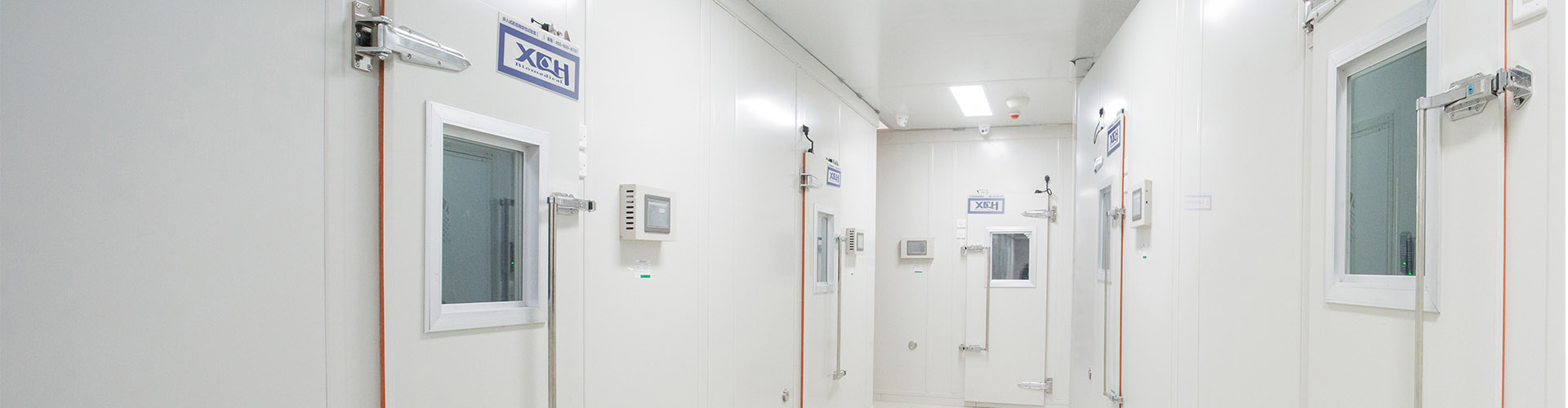
Environmental Test Chamber Maintenance and Calibration: A Practical Guide to Extending Equipment Life and Ensuring Accurate Results
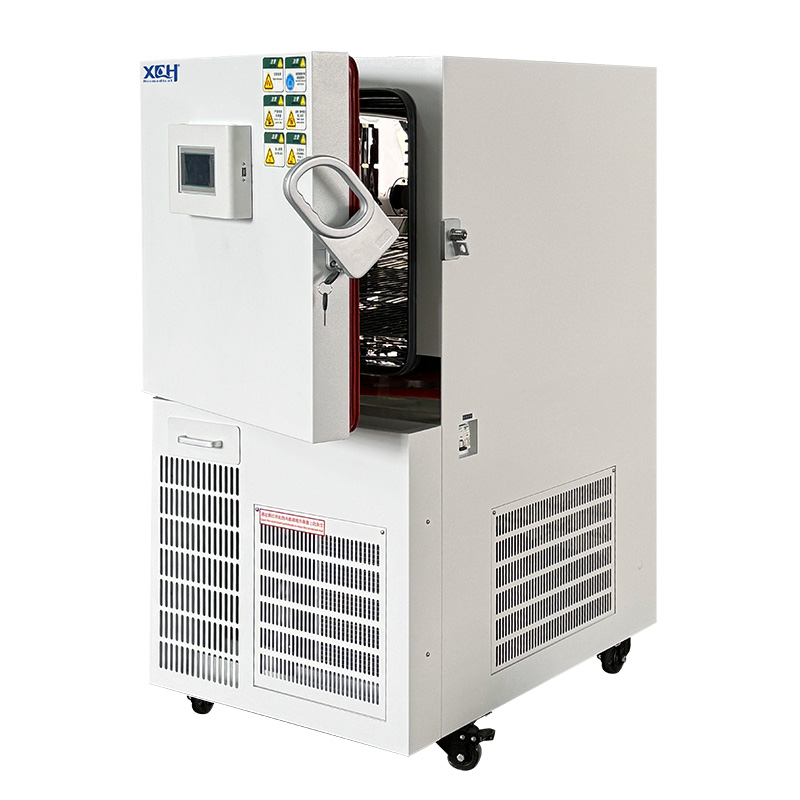
Environmental test chambers are substantial investments for any laboratory or manufacturing facility. These instruments simulate temperature, humidity, and other environmental conditions to validate product reliability, accelerate aging tests, and ensure compliance with industry standards. Yet many organizations overlook one critical factor: proper maintenance and regular calibration.
An environmental test chamber that drifts out of calibration by even ±0.5°C can invalidate weeks of testing, trigger costly rework, or worse—allow a defective product to reach the market. This guide covers everything you need to know about keeping your climatic chamber accurate, reliable, and productive for years to come.
Calibration is the process of verifying that your chamber's sensors and control system produce readings that match a recognized standard. Without it, you are essentially flying blind.
Over time, thermocouples, RTD sensors, and humidity probes naturally drift due to aging, thermal cycling, and exposure to corrosive environments. A chamber reporting 40°C may actually be at 42°C, causing test results that cannot be replicated. Regular calibration detects and corrects these deviations before they compromise your data.
Most testing standards—including ISO 17025, IEC 60068, MIL-STD 810, and ISTA protocols—require documented calibration traceable to national or international standards. Auditors will look for calibration certificates, frequency records, and uncertainty budgets. Non-compliance can result in rejected test reports and failed certifications.
A calibrated chamber provides confidence that products withstand real-world conditions as designed. Without it, manufacturers risk:
The right calibration frequency depends on usage intensity, regulatory requirements, and the criticality of your tests. Below are industry best practices.
| Parameter | Recommended Frequency |
|---|---|
| Routine verification | Every 3–6 months |
| Full ISO 17025 calibration | Annually |
| After sensor replacement | Immediately |
| After chamber relocation | Before next use |
Temperature calibration should be performed at multiple points across the chamber's operating range—typically at -40°C, 0°C, +25°C, +85°C, and the maximum set point—using a calibrated reference standard with NIST-traceable certification.
Humidity sensors are notoriously prone to drift. Salt-bath and chilled-mirror hygrometers offer higher accuracy than capacitive sensors but require more frequent attention.
| Method | Accuracy | Recommended Interval |
|---|---|---|
| Chilled mirror | ±0.5% RH | Annually |
| Salt-bath verification | ±1.0% RH | Every 6 months |
| Capacitive sensor check | ±2.0% RH | Quarterly |
Certain events should trigger an unscheduled recalibration regardless of your normal schedule:
A structured maintenance program dramatically extends equipment life and reduces unexpected downtime.
Even with diligent maintenance, issues can arise. Early identification prevents minor problems from becoming costly failures.
Symptoms: The chamber cannot maintain a stable set point, or temperature oscillates widely.
Possible causes:
- Faulty temperature sensor or controller PID tuning
- Insufficient airflow due to blocked vents or dirty filters
- Door seal leakage introducing ambient air
- Compressor short-cycling from refrigerant issues
Quick check: Run a temperature mapping test with 9–12 thermocouples placed throughout the workspace. Variations exceeding ±1.0°C indicate a problem.
Symptoms: Chamber cannot reach target humidity, or readings fluctuate unpredictably.
Possible causes:
- Water reservoir empty or supply line blocked
- Humidifier element burned out or scaled over
- Dehumidification system (if present) malfunctioning
- Saturated wick or desiccant media needs replacement
Quick check: Verify water supply first—this is the most common cause.
Symptoms: Compressor turns on and off rapidly without reaching set point.
Possible causes:
- Low refrigerant charge
- Faulty pressure switch
- Overloaded electrical circuit
- High ambient temperature near condenser
Symptoms: Error codes, blank screens, or frozen interface.
Possible causes:
- Power surge or brownout
- Loose internal cable connections
- Outdated firmware
- Failed control board capacitor
Quick check: Power-cycle the chamber. If the error persists, contact the manufacturer with the exact error code.
The water used for humidity generation is often the single most overlooked factor in chamber longevity. Distilled or deionized water is essential—tap water introduces minerals that scale humidifier elements, clog spray nozzles, and accelerate corrosion. Install a reverse osmosis (RO) system if your lab uses significant chamber capacity.
Temperature and humidity chambers draw in ambient air for cooling and air circulation. If your lab is dusty, particles accumulate on condenser coils, air filters, sensor surfaces, and fan blades. Room air filtration and positive-pressure lab design reduce particulate intake significantly.
Rapid temperature changes stress chamber components. When possible:
A well-maintained log helps predict failures, plan budgets, and satisfy auditors. Your log should include:
Most industry standards recommend calibration at least annually, with quarterly or semi-annual verification checks for high-usage chambers. Regulatory environments like pharmaceutical stability testing (ICH Q1A) may require more frequent calibration. Always follow the more stringent of your internal policy or applicable standard.
With proper maintenance, a quality environmental test chamber typically lasts 10–15 years. Chambers used continuously at extreme temperature ranges may see shorter lifespans, while well-maintained units in moderate-use environments have been known to operate reliably for 20 years or more.
In-house verification checks (using a secondary reference thermometer or hygrometer) can be performed daily or weekly as a quick accuracy check. However, full calibration should be performed by an ISO 17025 accredited calibration laboratory with properly maintained reference standards and documented traceability. This ensures your calibration data is accepted by auditors and regulatory bodies.
Key indicators include: inconsistent test results between batches, larger-than-normal temperature or humidity deviations on the display, increased time to reach set points, failed proficiency tests, or an upcoming regulatory audit requiring current calibration certificates. Some modern chambers include automatic drift alerts based on continuous sensor comparison.
Look for providers with ISO 17025 accreditation specific to temperature and humidity calibration, experience with your chamber make and model, on-site calibration capability (to avoid shipping the chamber), quick turnaround time, and clear uncertainty budgets on their calibration reports. Request references from similar laboratories in your industry.
Maintenance and calibration are not expenses—they are investments in data integrity, product quality, and equipment longevity. A well-maintained constant temperature and humidity chamber produces repeatable, defensible results that stand up to audits and drive better product decisions.
By implementing the daily, weekly, monthly, and annual tasks outlined in this guide, you can extend your chamber's useful life well beyond the average, reduce unplanned downtime, and ensure that every test performed yields results you can trust.
Key takeaways:
- Calibrate temperature sensors annually and humidity sensors semi-annually
- Perform daily visual checks and monthly deep cleaning
- Use distilled or deionized water exclusively
- Maintain detailed logs for predictive maintenance and compliance
- Work with accredited calibration providers
Your environmental test chamber is a precision instrument—treat it like one, and it will deliver reliable performance for years.





 IPv6 network supported