 English
 Français
 Deutsch
 Русский
 Español
 Português
 عربي
عربي 日语
日语 한국인
한국인 Melayu
 Tiếng Việt
 Indonesia
 বাংলা
বাংলা 中文
中文
What Are You Looking For?
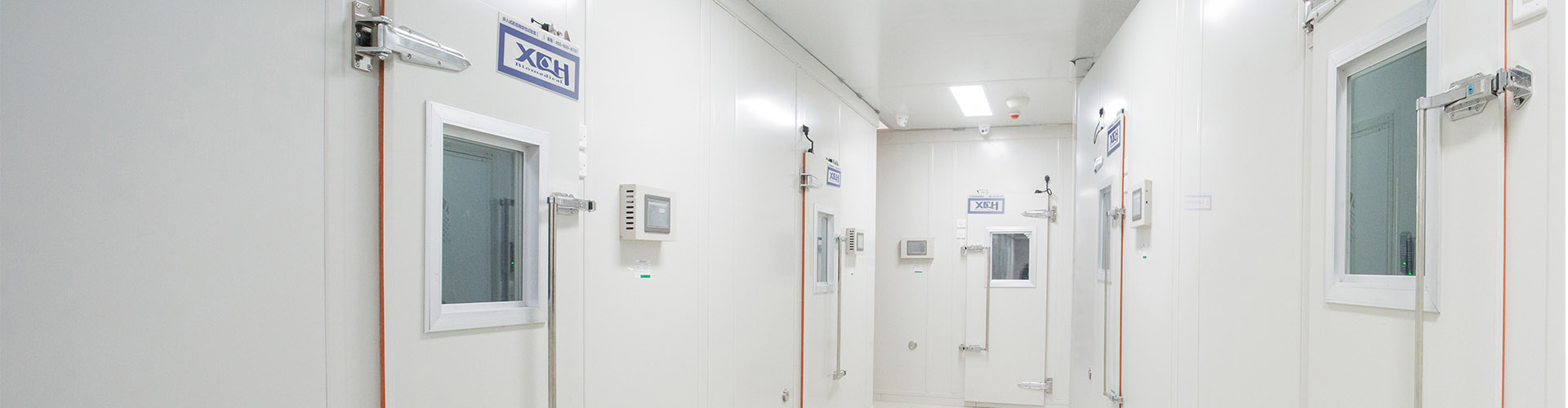
Proper cold storage is the backbone of any well-functioning laboratory. Whether you are storing vaccines, pharmaceutical samples, biological reagents, or diagnostic specimens, choosing between a medical refrigerator and a medical freezer — or understanding when you need both — is critical to maintaining sample integrity and ensuring compliance with regulatory standards.
This guide provides a detailed comparison between Medical Refrigerator and medical freezer options, helping you determine the right cold storage solution for your specific laboratory needs.
Medical refrigerators are designed to maintain temperatures between +2°C and +8°C, providing a stable environment for storing temperature-sensitive items that must not freeze. Unlike domestic refrigerators, medical grade refrigerator units feature forced-air circulation systems, digital temperature control, audible alarms, and temperature mapping to ensure uniform conditions throughout the cabinet.
Common applications:
- Vaccine and pharmaceutical storage
- Reagent and chemical preservation
- Biological specimen short-term holding
- Blood and blood component storage
- Culture media and buffer storage
Medical freezers operate at sub-zero temperatures, typically between -10°C and -30°C for standard units, with ultra low lab freezer models reaching -40°C, -60°C, or even -86°C. They are built with thick insulation, robust compressors, and often feature dual refrigeration systems for redundancy.
Common applications:
- Enzyme and protein storage
- Long-term biological sample preservation
- DNA/RNA storage
- Freezer-sensitive reagent storage
- Tissue and cell line preservation
| Feature | Medical Refrigerator | Medical Freezer |
|---|---|---|
| Temperature Range | +2°C to +8°C | -10°C to -30°C (standard), -40°C to -86°C (ULT) |
| Typical Use | Short to medium-term storage | Long-term preservation |
| Energy Consumption | Lower (25-40% less) | Higher, especially for ULT models |
| Installation Cost | Moderate | Higher (thicker insulation, heavy-duty compressors) |
| Sample Types | Vaccines, reagents, blood, media | Enzymes, RNA/DNA, tissues, cell lines |
| Temperature Uniformity | ±1.0°C to ±2.0°C | ±2.0°C to ±5.0°C (varies by model) |
| Alarm Systems | High/low temperature, door ajar | High/low temperature, power failure, filter clog |
| Defrost Type | Auto-defrost or manual | Manual defrost (frost-free in some newer models) |
| Noise Level | 35-45 dB | 45-55 dB |
| Backup Systems | Battery backup for controller | Dual compressor (in premium ULT models) |
The World Health Organization (WHO) and CDC mandate that most vaccines be stored at +2°C to +8°C in purpose-built medical refrigerators. A medical refrigerator for vaccines with continuous temperature monitoring and alarm functionality is non-negotiable for vaccine storage. For frozen vaccine storage, a dedicated medical freezer for vaccines ensures proper preservation.
Short-term storage (days to weeks) of biological samples is acceptable in a medical refrigerator at +4°C. However, for preservation beyond a few weeks, a medical freezer is required. At -20°C, enzymatic activity is significantly reduced but not entirely stopped. For indefinite preservation of DNA, RNA, and cell lines, ultra-low temperature freezers (-80°C) are the industry standard.
Many laboratory reagents have specific storage requirements clearly marked on their labels. Enzymes and antibodies are typically stored at -20°C, while buffers and media can be stored at +4°C. Always verify the manufacturer's storage specifications before deciding on a storage unit.
| Cost Factor | Medical Refrigerator (+4°C) | Medical Freezer (-20°C) | ULT Freezer (-80°C) |
|---|---|---|---|
| Annual Energy Use | 800-1,500 kWh | 1,500-2,500 kWh | 5,000-10,000 kWh |
| Annual Electricity Cost | $120-$225 | $225-$375 | $750-$1,500 |
| Average Lifespan | 10-15 years | 10-15 years | 7-12 years |
| Maintenance Frequency | Annual | Annual | Semi-annual |
ULT freezers consume significantly more energy and have shorter lifespans due to the extreme stress on their compressor systems. Energy-efficient models with variable-speed compressors and natural refrigerants can reduce these costs by up to 30%.
Both medical refrigerators and freezers should meet key regulatory standards:
Medical cold storage equipment typically complies with:
- CDC Guidelines for vaccine storage
- WHO Performance, Quality, and Safety (PQS) standards
- ISO 13485 for medical device quality management
- GMP/GDP guidelines for pharmaceutical storage
Many laboratories find that they need both a medical refrigerator and a medical freezer. Modern lab design increasingly favors combination units or dedicated cold rooms that integrate both temperature zones. If your lab handles diverse sample types ranging from vaccines to frozen tissues, investing in separate purpose-built units for each temperature range is the most reliable approach. Explore our full range of medical cold storage solutions or visit THChamber for more information.
Q: Can I use a domestic refrigerator for medical storage?
A: No. Domestic refrigerators lack the temperature stability, alarm systems, and temperature uniformity required for medical and pharmaceutical storage. They may also have unacceptably wide temperature fluctuations during defrost cycles.
Q: What temperature should a vaccine refrigerator be set to?
A: Medical refrigerators for vaccine storage should be set to maintain +2°C to +8°C at all points within the cabinet, with a target set point of +5°C as recommended by CDC guidelines.
Q: How often should I defrost a medical freezer?
A: Manual defrost medical freezers should be defrosted when ice buildup exceeds 3-5 mm, typically every 3-6 months depending on usage frequency and ambient humidity.
Q: What is the difference between a -20°C and -80°C freezer?
A: -20°C freezers are suitable for most enzymes, antibodies, and short-term sample storage. -80°C ultra-low temperature freezers are required for long-term preservation of DNA, RNA, cell lines, and other thermally sensitive biological materials.
Q: Do medical refrigerators need backup power?
A: While medical refrigerators do not require full backup power, the temperature monitoring and alarm systems should have battery backup. For critical vaccine storage, a generator or UPS for the entire unit is strongly recommended.
Q: How long can samples be stored at +4°C before degradation?
A: This depends entirely on the sample type. Most bacterial cultures can be stored for 1-4 weeks at +4°C, while DNA samples are stable for months. Enzymes and antibodies should be kept at -20°C if storage exceeds a few days.





 IPv6 network supported