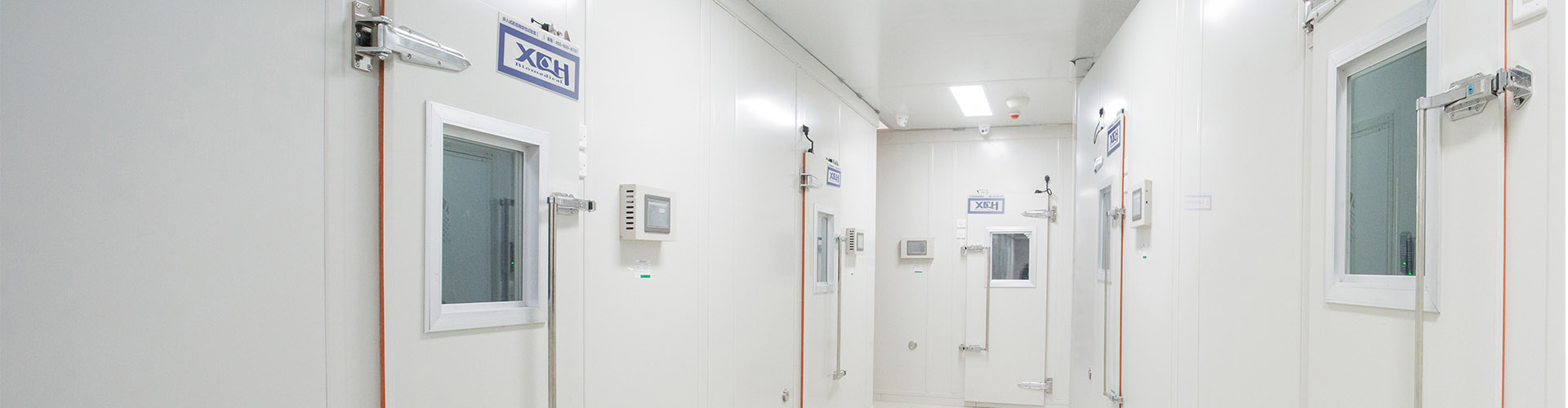
Stability Chamber Manufacturer

Stability Test Chamber

Home

Stability Test Chamber

  • Pharmaceutical Stability Testing Market 2026: Growth Drivers, Regulatory Shifts & Technology Trends
    Aug 06, 2026
    The pharmaceutical stability testing market is undergoing a period of rapid transformation. Driven by the biologics revolution, expanding regulatory mandates, and the digitization of laboratory operations, the global market for stability testing equipment and services is projected to reach USD 3.8 billion by 2028, growing at a compound annual growth rate (CAGR) of approximately 7.2% from 2023 levels. This article examines the key forces reshaping the industry and what they mean for pharmaceutical quality professionals planning their laboratory investments. Market Size and Growth Projections Stability testing remains one of the most resource-intensive phases of pharmaceutical development. The global market spans both equipment — stability chambers, walk-in rooms, and photostability units — and services including outsourced testing, consulting, and validation. Year Estimated Market Size (USD) Growth Driver 2022 2.4 billion Post-pandemic regulatory normalization 2024 2.8 billion Biologics pipeline expansion 2026 3.2 billion Emerging market ICH adoption 2028 3.8 billion (projected) AI/IoT integration, biosimilars wave The equipment segment accounts for approximately 55% of total market value, with reach-in stability chambers representing the largest sub-segment due to their versatility across R&D and QC laboratories. Walk-in chambers are the fastest-growing category, driven by large-scale commercial manufacturing expansions in Asia-Pacific. Key Growth Drivers 1. The Biologics and Biosimilars Boom Monoclonal antibodies, mRNA vaccines, cell therapies, and gene therapies now represent over 40% of the global pharmaceutical pipeline. These products are inherently more labile than small-molecule drugs, requiring more extensive stability testing programs under tighter temperature and humidity controls. Biologics manufacturers typically run three to five times more stability study conditions than traditional small-molecule programs, including: - Multiple temperature set points (5°C, 25°C, 40°C) - Agitation and freeze-thaw cycling studies - Extended photostability testing for light-sensitive proteins The global biosimilars market alone is projected to exceed USD 75 billion by 2030, creating sustained demand for stability testing capacity. Each biosimilar candidate requires a full comparability stability program against the reference product, effectively doubling the testing workload per molecule. 2. Emerging Pharmaceutical Markets Asia-Pacific has emerged as the world's fastest-growing pharmaceutical manufacturing region. India, China, South Korea, and ASEAN nations are investing heavily in API and finished dosage form production capacity, driving demand for stability testing infrastructure. Several factors amplify this trend: - ICH adoption in ASEAN: Countries including Thailand, Malaysia, Vietnam, and Indonesia are progressively aligning with ICH guidelines, requiring stability studies under Zone IVb conditions (30°C/75% RH) - China's regulatory reforms: The NMPA's alignment with ICH standards since 2017 has mandated stability testing for all new drug applications - India's PLI scheme: The Production Linked Incentive program for pharmaceuticals has allocated over USD 2 billion, stimulating domestic API manufacturing and associated QC infrastructure 3. Regulatory Stringency and Data Integrity Regulatory agencies worldwide are intensifying their focus on data integrity. The FDA's 21 CFR Part 11 and the EU GMP Annex 11 establish legally binding requirements for electronic records and signatures in stability testing. Key implications include: Audit trails: Every temperature reading, alarm event, and user action must be logged with a tamper-evident, time-stamped record Continuous monitoring: Manual twice-daily temperature checks are no longer sufficient for GMP environments; continuous automated monitoring is becoming the regulatory expectation Cloud-based data management: Centralized data repositories with role-based access control simplify compliance across multi-site organizations The WHO's revised stability testing guidelines, aligned with ICH Q1A-Q1E, have further standardized requirements for products destined for international procurement, particularly vaccines and essential medicines. Regulatory Landscape Shifts ICH Q1A to Q1E: The Complete Stability Framework The ICH stability guideline suite has evolved from a single document (Q1A) to a comprehensive framework covering: Guideline Scope Key Impact ICH Q1A(R2) Core stability testing design Defines climatic zones and study conditions ICH Q1B Photostability testing Mandates dedicated photostability chambers ICH Q1C Stability for new dosage forms Extends requirements to modified-release products ICH Q1D Bracketing and matrixing Reduces testing burden through statistical design ICH Q1E Data evaluation and extrapolation Governs shelf-life determination from stability data The expectation that manufacturers cover both Zone II and Zone IVb conditions in global stability programs has become the de facto standard, requiring multi-condition stability chambers capable of simultaneous operation at 25°C/60% RH and 30°C/75% RH. ASEAN Harmonization The ASEAN Pharmaceutical Regulatory Framework has accelerated ICH guideline adoption across the region. By 2026, most ASEAN member states require ICH-compliant stability data for product registration. This regulatory convergence is particularly significant for manufacturers targeting the combined ASEAN market of over 670 million people. Technology Trends Reshaping Stability Testing IoT-Enabled Smart Chambers The integration of Internet of Things (IoT) technology into stability chambers represents the most significant operational shift in the sector. Modern IoT-enabled chambers offer: Real-time cloud monitoring: Temperature, humidity, and door status accessible from any device with internet connectivity Predictive maintenance: Compressor performance trending and refrigerant pressure monitoring predict failures before they occur Automated excursion reporting: OOS events trigger automatic notifications to quality teams via SMS, email, and mobile push alerts Remote audit capability: Regulatory inspectors can review historical data without physical site visits The elimination of manual chart recorder paper and the shift to 21 CFR Part 11-compliant electronic records are reducing human error and freeing quality personnel for higher-value analytical work. AI and Predictive Analytics Machine learning algorithms are beginning to transform stability data analysis. Rather than waiting for the full 24- or 36-month study duration, AI models trained on historical stability data can: Predict long-term degradation rates from early time-point data Identify stability-indicating assay parameters most likely to trend out of specification Optimize testing schedules by reducing redundant time points While regulatory acceptance of AI-driven stability predictions is still evolving, the technology is already being deployed in development-stage stability programs to prioritize resources and accelerate formulation decisions. Energy Efficiency and Sustainability Environmental sustainability has become a procurement criterion for pharmaceutical laboratories. Modern stability chambers incorporate: Inverter-driven compressors that modulate cooling output based on actual load, reducing energy consumption by 30–50% compared to fixed-speed compressors Low-GWP refrigerants such as R-290 (propane) and R-513A, compliant with the Kigali Amendment to the Montreal Protocol High-density insulation with polyurethane foam and vacuum-insulated panels that minimize thermal losses LED-based photostability lighting that consumes 60% less energy than fluorescent alternatives while providing more uniform light distribution Energy-efficient chambers not only reduce operational costs but also contribute to corporate ESG (Environmental, Social, and Governance) targets — an increasingly important factor in pharmaceutical procurement decisions. Regional Market Analysis Region Market Share (2026 est.) CAGR Key Dynamics North America 38% 5.8% FDA-driven, largest installed base, IoT upgrade cycle Europe 28% 5.2% EU GMP Annex 1 driving modernization, sustainability focus Asia-Pacific 22% 10.5% Fastest growth, manufacturing capacity expansion, ICH adoption Latin America 7% 6.8% ANVISA harmonization, vaccine production growth Middle East & Africa 5% 7.5% Gulf state pharma hub investments, WHO prequalification Asia-Pacific's double-digit growth rate reflects the region's emergence as the global pharmaceutical manufacturing center. India alone accounts for over 20% of global generic drug production by volume, and its domestic stability testing capacity is expanding to match. What These Trends Mean for Equipment Buyers Procurement decisions in 2026 are shaped by considerations that barely existed a decade ago. When evaluating pharmaceutical stability test chambers, laboratories should prioritize: Multi-zone capability: A chamber that can simultaneously maintain Zone II (25°C/60% RH) and Zone IVb (30°C/75% RH) conditions future-proofs your investment for global market submissions Integrated IoT connectivity: Cloud-based monitoring and automated reporting are transitioning from optional upgrades to baseline requirements Energy efficiency: Inverter-compressor chambers with low-GWP refrigerants reduce both operating costs and environmental impact Validation readiness: Chambers designed for straightforward IQ/OQ/PQ execution with accessible sensor ports and documented calibration procedures reduce qualification timelines Scalability: Modular systems that allow adding capacity as your product pipeline grows avoid the cost and disruption of replacing undersized equipment FAQ Q: How big is the pharmaceutical stability testing market? A: The global pharmaceutical stability testing market was estimated at approximately USD 2.8 billion in 2024 and is projected to reach USD 3.8 billion by 2028, growing at a CAGR of 7.2%. Equipment accounts for roughly 55% of the total market, with services comprising the remainder. Q: What is driving growth in stability testing equipment demand? A: Three primary drivers are fueling demand: (1) the biologics and biosimilars pipeline requiring more extensive stability testing per product, (2) emerging pharmaceutical manufacturing markets in Asia-Pacific adopting ICH guidelines, and (3) regulatory mandates for continuous monitoring, data integrity, and electronic record-keeping. Q: How is IoT changing stability chamber operations? A: IoT-enabled stability chambers provide real-time cloud-based monitoring accessible from any device, automated OOS excursion alerts via SMS and email, predictive maintenance capabilities that reduce downtime, and remote audit support that allows regulatory inspectors to review historical data without physical site visits. Q: What ICH climatic zones should a stability chamber cover? A: For global market submissions, a stability chamber should cover both Zone II (25°C/60% RH) and Zone IVb (30°C/75% RH) conditions. This dual-zone coverage satisfies stability testing requirements for all ICH climatic zones and is the de facto standard for internationally marketed pharmaceutical products. Q: Are energy-efficient stability chambers worth the investment? A: Yes. Inverter-driven compressors in modern stability chambers can reduce energy consumption by 30–50% compared to fixed-speed models, translating to significant operational savings over the 10–15 year lifespan of the equipment. Additionally, low-GWP refrigerants and high-efficiency designs contribute to corporate ESG targets. Q: How is AI being used in pharmaceutical stability testing? A: Machine learning models are being deployed in development-stage stability programs to predict long-term degradation trends from early time-point data, identify stability-indicating parameters most likely to trend out of specification, and optimize testing schedules. While regulatory acceptance of AI-driven stability predictions is still evolving, the technology is reducing development timelines and focusing resources on the highest-risk products. Conclusion and Outlook The pharmaceutical stability testing market in 2026 is defined by convergence: the convergence of regulatory frameworks across global markets, the convergence of laboratory equipment with enterprise IT through IoT connectivity, and the convergence of stability testing with data science through AI-driven analytics. For pharmaceutical quality laboratories, the equipment investment decisions made today will determine their competitive positioning for the next decade. Explore our full range of stability testing solutions at THCHAMBER to find the right configuration for your laboratory's needs.
    Read More
  • ICH Stability Testing Conditions: Temperature & Humidity Guidelines for Pharma Labs
    Jul 21, 2026
    Pharmaceutical stability testing is the cornerstone of drug development and regulatory approval. Before any new drug reaches the market, manufacturers must demonstrate that the product maintains its identity, strength, quality, and purity throughout its shelf life under defined storage conditions. The International Council for Harmonisation of Technical Requirements for Pharmaceuticals for Human Use (ICH) provides the globally recognized framework for these studies — and understanding the ICH stability testing conditions is essential for every pharmaceutical quality professional. What Is ICH Q1A and Why It Matters ICH Q1A(R2), formally titled "Stability Testing of New Drug Substances and Products," is the primary guideline governing stability study design. It defines three categories of testing: Test Type Purpose Duration Long-Term Testing Establishes the product's shelf life and recommended storage conditions under realistic ambient conditions Minimum 12 months at submission Accelerated Testing Predicts long-term stability by exposing the product to elevated stress conditions 6 months Intermediate Testing Required when accelerated testing shows significant change; provides a moderate stress condition between long-term and accelerated 6 months These guidelines are accepted by major regulatory agencies including the FDA (United States), EMA (European Union), PMDA (Japan), and TGA (Australia), making ICH compliance a universal requirement for international pharmaceutical markets. ICH Climatic Zones and Testing Conditions The ICH divides the world into four climatic zones based on mean annual temperature and humidity. Each zone has specific long-term, intermediate, and accelerated testing conditions that simulate the climate where the product will be marketed. Selecting the right stability chamber capable of maintaining these conditions is the foundation of a compliant testing program. Zone Climate Type Representative Regions Long-Term Condition Accelerated Condition Zone I Temperate Northern Europe, Russia, Canada 21°C ± 2°C / 45% RH ± 5% 40°C ± 2°C / 75% RH ± 5% Zone II Subtropical / Mediterranean Southern Europe, Japan, most of USA 25°C ± 2°C / 60% RH ± 5% 40°C ± 2°C / 75% RH ± 5% Zone III Hot & Dry Middle East deserts, parts of North Africa 30°C ± 2°C / 35% RH ± 5% 40°C ± 2°C / 75% RH ± 5% Zone IVa Hot & Humid Southeast Asia, South America 30°C ± 2°C / 65% RH ± 5% 40°C ± 2°C / 75% RH ± 5% Zone IVb Hot & Very Humid Equatorial regions (e.g., parts of ASEAN) 30°C ± 2°C / 75% RH ± 5% 40°C ± 2°C / 75% RH ± 5% Key insight: The accelerated condition of 40°C / 75% RH is universal across all zones. However, intermediate conditions vary: Zone II requires 30°C ± 2°C / 65% RH ± 5% for intermediate testing, while other zones follow their respective long-term conditions with adjusted humidity. Understanding Long-Term, Intermediate, and Accelerated Testing Long-Term Testing Long-term testing is the definitive study that establishes the product's shelf life. It runs for a minimum of 12 months at the time of regulatory submission, with the ultimate goal of supporting the full proposed shelf life (typically 24–60 months). Testing frequency is typically every 3 months for the first year, every 6 months for the second year, and annually thereafter. Accelerated Testing Accelerated testing at 40°C / 75% RH serves as a stress test that predicts product behavior under extreme conditions. A 6-month accelerated study that shows no significant change can support a tentative shelf life of up to 24 months. If significant change occurs during accelerated testing, the manufacturer must: - Initiate intermediate testing at 30°C / 65% RH - Include a discussion of the change in the regulatory submission - Revise the proposed storage statement accordingly Intermediate Testing Intermediate testing (30°C / 65% RH) is not always required. It is triggered when accelerated testing reveals significant change — defined as: - A 5% potency loss from the initial value - Any degradation product exceeding its specification limit - Failure to meet pH, dissolution, or appearance criteria Climatic Zone Selection Strategy For products intended for global distribution, the most common strategy is to test under Zone II conditions (25°C / 60% RH long-term) and Zone IVb conditions (30°C / 75% RH long-term) simultaneously. This dual-zone approach covers all ICH climatic zones with a single stability program. If the product passes Zone IVb conditions, the label can state "store at 30°C" or even "do not store above 30°C" without qualification, greatly simplifying global regulatory submissions. ICH Q1B: Photostability Testing Beyond temperature and humidity, the ICH Q1B guideline addresses the effect of light on drug products. Photostability testing requires exposure to: Light Source Option Visible Light UV Light Option 1 (preferred) ≥ 1.2 million lux-hours ≥ 200 watt-hours/m² (320–400 nm) Option 2 (alternative) Confirmed with calibrated radiometer Confirmed with calibrated radiometer Light sources must comply with the D65/ID65 emission standard. Testing requires a dedicated Drug Stability Testing Chamber equipped with fluorescent lamps combining both visible and UV output, or xenon-arc lamps that simulate full-spectrum daylight. Special Stability Testing Scenarios Semi-Permeable Containers: Products in LDPE ampoules, plastic bags, or other semi-permeable packaging require additional low-humidity testing. For Zone II products, a study at 25°C / 40% RH or 30°C / 35% RH is required to assess moisture loss. Refrigerated and Frozen Products: Products requiring cold storage follow the same principles but with adjusted conditions: Storage Condition Long-Term Accelerated Refrigerated (2–8°C) 5°C ± 3°C 25°C ± 2°C / 60% RH ± 5% Frozen (-20°C) -20°C ± 5°C 5°C ± 3°C (or ambient) In-Use Stability: For multi-dose products (injectables, ophthalmic solutions, oral liquids), an in-use stability study simulates the conditions after first opening, including the maximum hold time and any temperature excursions. What a Stability Chamber Needs for ICH Compliance To execute ICH stability studies reliably, a stability chamber for pharmaceutical applications must meet stringent technical requirements: Temperature accuracy: ± 0.5°C or better at the control sensor, with uniformity of ± 2°C across all usable storage positions Humidity accuracy: ± 3% RH for long-term studies, ± 5% RH for accelerated studies Multi-zone capability: The ability to run multiple temperature/humidity combinations simultaneously is highly valuable for labs running Zone I, II, and IVb studies in parallel Continuous monitoring: 24/7 temperature and humidity logging with data export for audit-ready reporting Alarm systems: Real-time SMS or email alerts for temperature/humidity excursions, power failure, and door-open events Validation readiness: The chamber should be designed for straightforward IQ/OQ/PQ qualification with accessible sensor ports, uniform airflow, and documented calibration procedures Best Practices for Running ICH Stability Studies Chamber loading: Do not exceed 70% of the chamber's usable capacity. Overloading disrupts airflow and creates temperature gradients. Sample placement: Position samples at least 5 cm from chamber walls and avoid blocking air vents. Place the most critical samples at the geometric center where temperature is most stable. Sensor placement: Calibrated monitoring probes should be placed adjacent to the product samples, not at the chamber's control sensor location. Open-door discipline: Every door opening introduces a temperature and humidity excursion. For large studies, batch sample pulls to minimize door-open events. Backup power: A stability chamber losing power can compromise years of study data. Backup generators or UPS systems are essential for long-term studies. FAQ Q: What are the ICH stability testing zones? A: The ICH defines four climatic zones: Zone I (temperate, 21°C/45%RH), Zone II (subtropical/Mediterranean, 25°C/60%RH), Zone III (hot/dry, 30°C/35%RH), and Zone IV (hot/humid, subdivided into IVa at 30°C/65%RH and IVb at 30°C/75%RH). Most global manufacturers test under Zone II and Zone IVb conditions to cover all markets. Q: What is the difference between long-term and accelerated stability testing? A: Long-term testing runs at the product's intended storage condition (e.g., 25°C/60%RH) for the full proposed shelf life. Accelerated testing runs at elevated stress conditions (40°C/75%RH) for 6 months to predict long-term behavior. Accelerated testing is a screening tool; long-term testing is the definitive evidence for shelf-life determination. Q: How long does ICH stability testing take? A: At minimum, 6 months of accelerated data and 12 months of long-term data are required for initial regulatory submission. Complete stability programs that support a 24–60 month shelf life run for the full duration. Photostability testing typically completes within 2–4 weeks of controlled light exposure. Q: What temperature and humidity should a stability chamber maintain? A: The chamber must maintain the target condition with tight tolerances: ± 2°C for temperature and ± 5% RH for humidity across all usable storage positions. For long-term Zone II studies, this means 25°C ± 2°C and 60% RH ± 5%. For accelerated studies, 40°C ± 2°C and 75% RH ± 5%. Q: Do I need a photostability chamber for ICH Q1B? A: Yes, if your product is exposed to light during manufacturing, storage, or administration. ICH Q1B requires a dedicated photostability chamber with controlled light sources meeting D65/ID65 emission standards. Some products packaged in fully opaque containers (e.g., aluminum blister packs) may qualify for a photostability exemption. Q: What happens if my stability chamber goes out of specification during a study? A: An out-of-specification (OOS) excursion must be documented, investigated, and assessed for impact. Minor, short-duration excursions (typically < 24 hours, within ± 5°C and ± 10% RH of the set point) may be acceptable with a documented justification. Extended or severe excursions may invalidate the study, requiring a new stability batch to be initiated. This is why chamber reliability and alarm systems are non-negotiable. Conclusion ICH stability testing is a rigorous, data-driven process that underpins every pharmaceutical product's regulatory filing. A properly selected stability chamber — one that meets Zone I through Zone IVb conditions with ±0.5°C temperature accuracy and ±3% RH humidity control — is the foundation of a compliant stability program. When your laboratory is ready to implement or upgrade its ICH stability testing capabilities, choosing a chamber designed for multi-zone, multi-condition operation ensures your investment supports both current regulatory submissions and future market expansion. Explore our full range of stability testing solutions at THCHAMBER to find the right configuration for your ICH testing requirements.
    Read More
  • How to Choose the Right Drug Stability Test Chamber for Your Lab
    Jun 01, 2026
    Introduction Drug stability testing is a critical regulatory requirement for pharmaceutical manufacturers worldwide. Regulatory bodies such as the ICH (International Council for Harmonisation) and USFDA mandate that drug products undergo rigorous stability studies to ensure their safety, efficacy, and quality throughout their shelf life. At the heart of these studies lies the drug stability test chamber — a piece of pharmaceutical stability testing equipment that provides precise, reproducible environmental conditions for long-term, accelerated, and intermediate stability testing. Choosing the right stability chamber is not just about compliance; it directly impacts the reliability of your test data, your lab's operational efficiency, and ultimately, the quality of the pharmaceutical products you bring to market. This guide walks you through every critical factor to consider. 1. Understanding the Types of Stability Testing Before selecting a chamber, it's essential to understand the testing conditions your lab needs to support. The ICH Q1A(R2) guideline defines three standard stability testing protocols: Test Type Conditions Duration Purpose Long-term testing 25°C ± 2°C / 60% RH ± 5% 12–60 months Determine shelf life under normal storage Intermediate testing 30°C ± 2°C / 65% RH ± 5% 6–12 months Evaluate under moderate stress Accelerated testing 40°C ± 2°C / 75% RH ± 5% 6 months Predict degradation and stability Your chamber must reliably maintain these accelerated stability testing conditions and long term stability testing ICH standards simultaneously or with minimal switching downtime. Some high-end chambers support multi-program storage so you can run multiple study types without reconfiguration. 2. Temperature and Humidity Control Accuracy The most critical specification of any stability chamber is its ability to maintain stable, uniform conditions throughout the entire working volume. What to check: - Temperature fluctuation: Should be ≤ ±0.5°C - Temperature deviation: Should be ≤ ±1.0°C across all test points - Humidity deviation: Should be ≤ ±3% RH A chamber with poor stability chamber temperature humidity accuracy can compromise years of testing. Look for units with: - Multi-point calibrated sensors - Independent over-temperature protection - Forced air circulation for even distribution To meet GMP stability chamber specifications, the chamber should also provide documented performance qualification data. When evaluating these parameters, a reliable Drug Stability Test Chamber ensures your testing conditions remain compliant with regulatory standards throughout the study duration. 3. GMP Compliance and Data Integrity Regulatory scrutiny of stability data has never been higher. A GMP compliant stability chamber must support complete data integrity throughout the testing lifecycle. Essential features: - Dual data acquisition systems — redundant recording via printer and SD card/electronic storage - Audit trail capability — logs every parameter change, door opening, and alarm event - Three-level password protection — operator, supervisor, and administrator access control - Alarm systems — audible/visual alarms for temperature and humidity deviations, plus remote SMS or email alerts for power failure The stability test chamber data integrity capabilities you choose today will determine whether your data passes regulatory inspection years from now. 4. Hardware Configuration and Build Quality The physical construction of the chamber directly impacts its long-term reliability. Component What to look for Compressor Fully enclosed industrial compressor — high efficiency, low noise, long continuous operation Humidity sensor Imported VAISALA or equivalent — high accuracy, low drift, maintenance-free Interior material Mirror-finished stainless steel 304 — corrosion-resistant, easy to clean Airflow design Newly designed airway system — uniform temperature and humidity distribution Insulation Polyurethane foaming — excellent heat and moisture retention Test port 25mm diameter side port — for external calibration probes without affecting internal conditions A properly specified pharmaceutical stability chamber compressor and stability test chamber stainless steel construction can mean the difference between 10+ years of trouble-free operation and costly mid-study failures. For a high-quality solution, consider the Pharmaceutical Stability Test Chamber designed with imported components and GMP-compliant features. 5. Chamber Size and Capacity Planning Choosing the right stability chamber sizes depends on several factors: - Current testing volume — number of samples per batch × number of concurrent studies - Sample container types — blisters, bottles, vials all require different shelf configurations - Future expansion — add 20–30% capacity headroom for growing test pipelines - Lab floor space — consider benchtop vs. floor-standing configurations Common lab stability test chamber capacity options range from 150L benchtop units to 1000L+ walk-in chambers for high-throughput pharmaceutical labs. 6. After-Sales Service and Calibration A stability chamber is a long-term investment. Ongoing support is crucial. - NIST-traceable calibration — should be performed at least annually, or per your SOP - IQ/OQ/PQ validation — many regulated labs require documented stability chamber IQ OQ PQ before placing the chamber into service - Spare parts availability — check that critical components (sensors, controllers, compressors) are readily available - Technical support — responsive local or remote support for troubleshooting Scheduling regular stability test chamber calibration ensures your data remains defensible during regulatory audits. 7. FAQ Q1: What is the difference between a stability chamber and an environmental chamber? A stability chamber is designed specifically for pharmaceutical stability testing following ICH guidelines, with narrow temperature and humidity tolerances and full data integrity features. An environmental chamber has a broader application range (electronics, materials testing) and may not meet GMP data integrity requirements. Q2: What temperature and humidity conditions are required for ICH stability testing? The ICH Q1A(R2) guideline specifies: long-term at 25°C/60% RH, intermediate at 30°C/65% RH, and accelerated at 40°C/75% RH. Some cold-chain products require additional conditions such as 5°C ± 3°C or -20°C ± 5°C. Q3: How often should a drug stability test chamber be calibrated? At minimum, annual NIST-traceable calibration is recommended. However, many GMP-regulated labs calibrate every 6 months or follow a risk-based schedule defined in their SOP. Chambers should also be recalibrated after any major repair or relocation. Q4: Can I use one chamber for both accelerated and long-term stability testing? Technically yes, but it is not recommended. Frequent condition switching (e.g., 40°C/75% RH to 25°C/60% RH) introduces recovery time and risks data continuity. Most GMP labs dedicate separate chambers for accelerated, intermediate, and long-term studies. Q5: What size stability chamber do I need for my lab? This depends on your sample volume and testing protocols. A good rule of thumb: calculate your maximum concurrent sample count and add 20–30% buffer capacity. For small labs starting out, a 200–400L chamber is a common entry point. Conclusion Choosing the right drug stability test chamber is a strategic decision that affects your lab's compliance, data quality, and operational efficiency for years to come. By evaluating factors such as temperature accuracy, GMP compliance features, hardware build quality, and after-sales support, you can select a chamber that meets both your current testing needs and future regulatory requirements. For professional guidance on selecting the ideal stability test chamber for your pharmaceutical lab, feel free to visit XCH Biomedical to explore our range of GMP-compliant stability testing solutions.
    Read More
  • How to Choose the Right Walk-In Stability Chamber Size: 8000L vs 20000L vs 40000L
    Apr 11, 2026
    When it comes to pharmaceutical stability testing, selecting the right chamber size isn't just about capacity—it's about optimizing your workflow, controlling costs, and ensuring compliance. With so many options available, how do you know which walk-in stability chamber is right for your business? Introduction: Why Chamber Size Matters Choosing an improperly sized stability chamber can lead to several problems: Wasted space – A chamber too large for your needs consumes valuable floor space Higher operating costs – Larger chambers use more energy to maintain temperature and humidity Inefficient testing – Too small means you can't run enough samples in one batch The key is finding the balance between current needs and future growth. In this guide, we'll compare XCH's three popular walk-in stability chamber models to help you make an informed decision. Size Comparison: 8000L vs 20000L vs 40000L Model Capacity Temperature Range Humidity Range Best For XCH-8000SD 8,000L 20~45℃ 20/40~80%RH Small-batch testing, R&D labs XCH-20000SD 20,000L 20~45℃ 20/40~80%RH Mid-scale production, QC laboratories XCH-40000SD 40,000L 20~45℃ 20/40~80%RH Large-scale manufacturing, stability storage All three models share these specifications: Temperature fluctuation: ≤ ±0.5℃ Temperature deviation: ≤ ±1.0℃ Humidity deviation: ≤ ±3.0%RH Low temperature laboratory: 2~8℃ How to Choose Based on Your Needs 1. Testing Volume Ask yourself: How many batches do you need to test per week? 8000L – Ideal for 1-5 batches/week (small R&D or pilot projects) 20000L – Suitable for 5-15 batches/week (medium-scale production) 40000L – Perfect for 15+ batches/week (large manufacturing facilities) 2. Available Space Measure your facility before purchasing: 8000L – Requires approximately 3m × 3m floor space 20000L – Requires approximately 4m × 4m floor space 40000L – Requires approximately 5m × 5m floor space 3. Budget Considerations Initial investment: Larger chambers cost more upfront Operating costs: Energy consumption increases with size ROI: Consider how quickly larger capacity improves efficiency 4. Future Scalability Think about your growth trajectory. If you expect to expand within 2-3 years, consider starting with a larger model to avoid premature replacement. Why XCH Walk-In Chambers Stand Out XCH Biomedical has been manufacturing walk-in stability chambers for over 15 years. Here's what makes our chambers the preferred choice: Advanced Air Circulation System Our newly designed airway system ensures uniform temperature and humidity distribution throughout the chamber, eliminating hot spots and ensuring consistent test conditions. Premium Build Quality Stainless steel 304 interior – Corrosion-resistant and easy to clean Hollow tempered glass observation window – Clear visibility with electrothermal film to prevent condensation Versatile Testing Options Multiple test points available: 40℃/75%RH, 25℃/60%RH, 30℃/65%RH Built-in low temperature laboratory (2~8℃) for specialized testing International Certifications All chambers come with ISO9001:2015 and CE certification, meeting international standards for pharmaceutical testing equipment. With products distributed to over 30 countries and thousands of satisfied customers worldwide, XCH is a name you can trust. Frequently Asked Questions Is 8000L enough for small to medium pharmaceutical companies? Yes, the 8000L model is ideal for small to mid-sized companies engaged in R&D, pilot production, or batch release testing. It offers sufficient capacity without the overhead of larger models. What type of company is the 20000L best suited for? The 20000L chamber is perfect for established pharmaceutical companies with moderate production volumes, contract testing laboratories, and QC departments requiring consistent batch testing. Are larger chambers more expensive to maintain? Yes, larger chambers have higher energy consumption. However, the XCH-40000SD is designed with energy efficiency in mind, and the increased throughput often offsets operational costs. Can XCH customize chamber dimensions or specifications? Absolutely. We offer OEM and ODM services, including custom sizes, temperature/humidity ranges, and additional features tailored to your specific requirements. What is the delivery time and after-sales service? Standard delivery takes 4-6 weeks. All XCH chambers come with comprehensive after-sales support, including installation guidance, technical training, and warranty service. Conclusion: Make the Right Choice for Your Business The best walk-in stability chamber isn't always the largest one—it's the one that matches your current needs while allowing for reasonable growth. Choose 8000SD for flexibility and cost-effectiveness Choose 20000SD for balanced capacity and efficiency Choose 40000SD for high-volume manufacturing Need help making the final decision? Our technical team is ready to assist you in selecting the perfect chamber for your specific application. Contact XCH Biomedical today for a personalized recommendation!
    Read More
  • Walk-In Environmental Chambers: The Ultimate Solution for Large-Scale Product Testing
    Apr 03, 2026
    Introduction In today's rapidly evolving industrial landscape, the need for reliable and spacious environmental testing solutions has never been greater. Walk-in environmental chambers have emerged as the go-to equipment for manufacturers and research facilities requiring large-scale, controlled testing environments. These chambers provide the space and precision necessary to simulate extreme conditions for entire products, components, and assemblies. Who Is This Article For? This article is specifically designed for: Quality Assurance Managers - Professionals responsible for product reliability testing and compliance verification R&D Engineers - Technical teams conducting environmental adaptability tests for new product development Procurement Managers - Decision-makers evaluating laboratory equipment investments Laboratory Directors - Managers overseeing testing facilities or third-party testing labs Manufacturing Engineers - Teams needing to validate product performance under extreme conditions What is a Walk-In Environmental Chamber? A walk-in environmental chamber is a large-scale testing enclosure designed to replicate extreme temperature and humidity conditions. Unlike traditional benchtop chambers, these walk-in units allow technicians to literally walk inside the testing space, making them ideal for testing bulk quantities of products or large individual items such as automotive parts, electronics, and industrial equipment. Why Choose Walk-In Chambers Over Smaller Units? Factor Walk-In Chamber Benchtop/Desktop Chamber Capacity 500-5,000+ cubic feet 1-50 cubic feet Sample Size Entire products, large components Small samples, individual parts Testing Efficiency Test dozens of units simultaneously One batch at a time Workflow Walk in for loading/unloading Manual sample insertion Investment Higher initial, lower per-unit cost Lower initial, higher per-unit cost Best For Automotive, aerospace, large electronics Electronic components, materials When to Choose Walk-In: Testing complete products or large assemblies Batch testing multiple units in one cycle Requiring human-accessible testing environments Simulating real-world storage and transport conditions Meeting automotive and aerospace industry standards Key Applications Walk-in chambers are widely used across multiple industries: Automotive: Testing vehicle components, interior materials, and complete assemblies under extreme temperature conditions. From engine parts to dashboard electronics, walk-in chambers ensure automotive components can withstand harsh environments. Aerospace: Validating aircraft materials and equipment performance in high-altitude environments, including extreme cold at cruising altitudes and heat during supersonic flight. Electronics: Ensuring reliability of servers, transformers, large consumer appliances, and data center equipment that generates significant heat. Pharmaceutical: Stability testing of medications, vaccines, and medical devices requiring precise temperature and humidity control. Research & Development: Product development and quality assurance testing for new materials and technologies. Packaging Industry: Testing shipping containers, packaging materials, and palletized goods for temperature sensitivity. Benefits of Walk-In Chambers Space Efficiency: Test multiple products simultaneously without compromising on testing conditions. The spacious interior allows for testing entire product batches in a single cycle. Flexibility: Adjustable shelving and configurable interiors accommodate various product sizes. Modular designs allow customization based on specific testing requirements. Precision Control: Advanced temperature and humidity control systems ensure accurate and repeatable results. Microprocessor-based controllers provide ±0.5°C temperature uniformity. Operational Ease: Easy access for loading and unloading test specimens. Wide door openings and ergonomic designs reduce operator fatigue. Compliance: Meets international testing standards including ASTM, ISO, MIL-SPEC, and IATA requirements for various industries. Cost-Effective: Reduce testing time and costs by testing multiple units at once, eliminating the need for multiple smaller chambers. Real-World Simulation: Test products in conditions that closely mimic actual storage, transport, and operating environments. Choosing the Right Chamber When selecting a walk-in environmental chamber, consider factors such as: Temperature range requirements (typically -70°C to +180°C, with some specialized models reaching -85°C or +200°C) Humidity control capabilities (20% to 98% RH) Internal volume specifications (from 500 cubic feet to over 5,000 cubic feet) Door configurations and accessibility (single door, double door, or sliding door options) Cooling system type (air-cooled or water-cooled) Energy efficiency and operating costs Compliance with industry-specific standards Technical Specifications to Consider Parameter Standard Range Premium Range Temperature Range -40°C to +150°C -85°C to +200°C Humidity Range 30% to 95% RH 10% to 98% RH Temperature Uniformity ±2°C ±0.5°C Heating Rate 3°C/min 10°C/min Cooling Rate 2°C/min 5°C/min Internal Volume 500-2,000 ft³ 2,000-5,000+ ft³ FAQ - Frequently Asked Questions Q1: What temperature range can walk-in chambers achieve?A: Standard walk-in chambers typically operate from -40°C to +150°C. Premium models can reach temperatures as low as -85°C or as high as +200°C, depending on your specific testing requirements. Q2: How much space is needed for installation?A: Beyond the chamber interior, you need to account for service clearance around all sides (typically 24-36 inches), ceiling height for ventilation, and floor reinforcement if the chamber exceeds 2,000 lbs. Most manufacturers provide detailed installation requirements. Q3: What are the energy consumption and operating costs?A: Operating costs vary based on temperature range, humidity levels, and usage frequency. On average, a standard walk-in chamber consumes 15-30 kWh during active testing cycles. Many modern chambers feature energy-saving modes that reduce standby power consumption by up to 40%. Q4: How difficult is maintenance? Is professional training required?A: Most walk-in chambers are designed for straightforward maintenance. Regular tasks include cleaning condenser coils, checking refrigerant levels, and calibrating sensors. Manufacturers typically provide operator training, and many offer annual maintenance contracts for comprehensive servicing. Q5: What is the typical lead time and warranty period?A: Lead times typically range from 8-16 weeks depending on customization requirements. Standard warranty periods are 1-2 years for the entire unit, with extended warranties available for purchase. Some manufacturers offer 5-year warranties on critical components like compressors. Q6: Can walk-in chambers be customized?A: Yes, most manufacturers offer customization options including: Custom internal configurations (shelving, racking systems) Specialized door designs (emergency exits, observation windows) Enhanced humidity control systems Integration with existing data acquisition systems Remote monitoring and control capabilities Special material options for corrosive environments Conclusion Walk-in environmental chambers represent a critical investment for any organization requiring comprehensive product testing capabilities. They deliver the unique combination of spacious testing environments with precise environmental control, ensuring your products meet the highest quality standards and perform reliably in real-world conditions. Whether you're in automotive, aerospace, electronics, pharmaceutical, or R&D industries, a walk-in chamber provides the versatility and reliability your testing program demands.
    Read More
  • What is a Stability Chamber and Why Your Lab Needs One
    Mar 27, 2026
    For regulated industries like pharmaceuticals, biotechnology, and materials science, consistent environmental conditions are not optional—they're mandatory. A stability chamber is a precision-engineered instrument designed to maintain specific temperature and humidity levels over extended periods, ensuring that products meet quality and safety standards. What Exactly is a Stability Chamber? A stability chamber (also called a stability test chamber or environmental chamber) is a sealed enclosure that controls temperature, humidity, and sometimes light exposure to simulate real-world storage conditions. These chambers are used for: Long-term stability testing of pharmaceutical products Accelerated aging studies for cosmetics and medical devices Material testing for electronics and industrial components Biological sample storage in research laboratories Unlike standard incubators, stability chambers are built to meet strict regulatory standards including ICH Q1A, FDA 21 CFR Part 11, and GMP requirements. Key Features of Modern Stability Chambers Precise Temperature Control — Typically ranges from -70°C to +200°C with ±0.5°C accuracy Humidity Range — 10% to 98% RH (Relative Humidity) Data Logging — Real-time recording with USB or network export Validation Documentation — IQ/OQ/PQ protocols for regulatory compliance Why Your Lab Needs a Stability Chamber 1. Regulatory Compliance If you manufacture or test pharmaceutical products, medical devices, or cosmetics, stability testing is required by law. Regulatory agencies (FDA, EMA, WHO) mandate documented proof that products remain stable throughout their shelf life. 2. Product Quality Assurance Instability can lead to product degradation, ineffective treatments, or even safety hazards. A stability chamber helps you identify problems before products reach patients or customers. 3. Cost Efficiency Early detection of instability prevents costly recalls and wasted batches. The investment in a stability chamber pays for itself through improved quality control. 4. Research Credibility For contract testing laboratories, having certified stability chambers expands your service offerings and attracts more clients in regulated industries. Types of Stability Chambers Type Best For Capacity Reach-in Chambers Small batches, pharmaceutical labs 100-2000 L Walk-in Chambers Large-scale testing, automotive/electronics 5-50 m³ Photo Stability Chambers Light-sensitive products Specialized Refrigerated Chambers Low-temperature storage -70°C to +60°C How to Choose the Right Chamber When selecting a stability chamber, consider: Temperature and humidity range required for your testing Chamber capacity based on sample volume Regulatory certifications (CE, UL, FDA compliance) Data management system compatibility After-sales support and calibration services Conclusion Whether you're a pharmaceutical manufacturer, a contract testing lab, or a research institution, a stability chamber is an essential investment for ensuring product quality and regulatory compliance. With increasing global emphasis on product safety, having certified stability testing capabilities is no longer optional—it's a competitive necessity. Recommended Reading: Walk-in Stability Chamber for Pharmaceutical Testing Photo Stability Chamber for Light-Sensitive Products  
    Read More
  • Large Walk-In Stability Chamber for Pharmaceutical Laboratories – Complete Selection Guide 2026
    Mar 27, 2026
    For pharmaceutical companies, contract research organizations (CROs), and large research facilities, large walk-in stability chambers are essential equipment for conducting long-term stability studies on drugs, biologics, and medical devices. These chambers provide the controlled environment necessary to meet stringent regulatory requirements while accommodating larger sample volumes than standard reach-in chambers.   This comprehensive guide helps you understand the key considerations for selecting the right pharmaceutical walk-in chamber for your laboratory facility.   About XCH Biomedical: XCH Biomedical is a professional manufacturer specializing in temperature and humidity control equipment for the pharmaceutical and biotechnology industries. With years of experience in GMP-compliant chamber manufacturing, they provide reliable walk-in solutions trusted by pharmaceutical companies and research institutions globally. 1. Understanding Walk-In Stability Chambers What Is a Walk-In Stability Chamber? A walk-in stability chamber is a room-sized environmental chamber that allows operators to walk inside for loading, unloading, and sample inspection. These chambers are designed to maintain precise temperature and humidity conditions over extended periods—typically 6 months to 5 years for long-term stability studies. Key characteristics: Internal volume: 10-50 m³ (8,000-40,000L) Temperature range: +15°C to +40°C (typical pharmaceutical range) Humidity range: 30-80% RH Temperature uniformity: ±2°C to ±3°C Humidity uniformity: ±5% RH Why Choose Walk-In Over Reach-In? Walk-in chambers offer significant advantages for high-volume pharmaceutical testing: Higher capacity – Test thousands of samples simultaneously Easy access – Walk in for sample placement and inspection Reduced handling – Fewer transfers mean less sample disturbance Cost efficiency – Lower cost per sample for large studies Workflow optimization – Dedicated space for ongoing studies 2. Key Applications in Pharmaceutical Testing 2.1 Long-Term Stability Studies ICH Q1A requires stability testing under controlled conditions: Real-time stability: 25°C ± 2°C / 60% RH ± 5% RH (30 months) Accelerated stability: 40°C ± 2°C / 75% RH ± 5% RH (6 months) Intermediate testing: 30°C ± 2°C / 65% RH ± 5% RH (12 months) 2.2 Stability-Indicating Studies Monitoring product degradation over time to establish shelf life and storage conditions. 2.3 cGMP Batch Release Testing Quality control testing required for batch release under current Good Manufacturing Practice. 2.4 Climate Zone Studies Testing products for markets in different climatic zones (I, II, III, IV). 3. Critical Specifications for Pharmaceutical Use 3.1 Temperature Performance Parameter Standard Requirement Premium Requirement Temperature range +15°C to +40°C +10°C to +50°C Temperature accuracy ±2°C ±1°C Temperature uniformity ±3°C ±2°C Recovery time 30 minutes 15 minutes 3.2 Humidity Performance Parameter Standard Requirement Premium Requirement Humidity range 30-70% RH 20-80% RH Humidity accuracy ±5% RH ±3% RH Humidity uniformity ±5% RH ±3% RH Critical: For ICH Q1A compliance, maintain 75% ± 5% RH during accelerated testing. 3.3 Chamber Construction Interior material: Stainless steel 304/316 for corrosion resistance Insulation: Polyurethane foam (high density, minimum 100mm thickness) Door seals: Double-seal gaskets to prevent moisture ingress Shelving: Adjustable stainless steel wire shelves with good air circulation Viewing window: Tempered glass for sample inspection without opening door 4. Regulatory Compliance Requirements 4.1 ICH Q1A/Q1B – Stability Testing International Council for Harmonisation guidelines for stability testing of new drug substances and products. 4.2 FDA 21 CFR Part 11 – Electronic Records Requirements for electronic records and electronic signatures in pharmaceutical operations. 4.3 WHO/GMP – Good Manufacturing Practice Global standards for pharmaceutical quality assurance and quality control. 4.4 ISO 17025 – Laboratory Accreditation Requirements for testing and calibration laboratories, including chamber calibration. 5. Walk-In vs Reach-In: Comparison Factor Walk-In Chamber Reach-In Chamber Capacity High (1,000+ samples) Low (50-200 samples) Temperature uniformity ±2-3°C ±1-2°C Cost per sample Low High Footprint Large (15-50 m²) Small (2-5 m²) Price $40,000-150,000 $5,000-25,000 Best for Long-term studies, large batches Short studies, R&D 6. Essential Features to Consider 6.1 Data Logging and Control Continuous monitoring with redundant sensors USB and Ethernet data export Alarm systems for temperature/humidity excursions Audit trail functionality for FDA 21 CFR Part 11 compliance Remote monitoring via cloud or SMS alerts 6.2 Redundancy Systems Backup compressor for continuous operation Emergency power connection Secondary humidity system Independent monitoring systems 6.3 Validation and Calibration IQ (Installation Qualification) documentation OQ (Operation Qualification) protocols PQ (Performance Qualification) reports ISO 17025 calibration certificates 7. Size Selection Guide Choose the right size based on your sample volume: Internal Volume Sample Capacity Footprint Price Range 8,000L (10 m³) 1,000-2,000 samples 15 m² $40,000-60,000 20,000L (20 m³) 2,000-4,000 samples 25 m² $60,000-90,000 30,000L (30 m³) 4,000-6,000 samples 35 m² $90,000-120,000 40,000L (50 m³) 6,000-10,000 samples 50 m² $120,000-150,000 Pro Tip: Plan for 30% growth. Select a chamber 30% larger than your current needs. 8. Cost of Ownership Cost Factor Annual Cost Purchase price $40,000-150,000 (one-time) Electricity $3,000-8,000 Maintenance contract $2,000-5,000 Calibration (quarterly) $1,000-2,000 Filter replacement $500-1,000 5-Year TCO $60,000-180,000 9. Selection Checklist Capacity – Enough space for current and projected sample volume? Temperature/humidity accuracy – Meets ICH Q1A requirements? Uniformity – ±2°C or better for your precision needs? Redundancy – Backup systems for continuous operation? Data logging – 21 CFR Part 11 compliant? Calibration – ISO 17025 traceable certificates included? IQ/OQ/PQ – Validation documentation provided? Support – Local service technician availability? Warranty – Minimum 2 years, extended options available? Footprint – Fits your facility space and infrastructure? 10. Recommended Brands Brand Price Range Specialty XCH Biomedical $40,000-100,000 Cost-effective, GMP compliant Thermo Fisher $60,000-150,000 Premium, full validation support Binder $70,000-140,000 German precision engineering Memmert $60,000-130,000 European standards Conclusion Selecting the right walk-in stability chamber for your pharmaceutical laboratory is a significant investment that impacts product quality, regulatory compliance, and operational efficiency. Focus on: Regulatory compliance – ICH Q1A, FDA 21 CFR Part 11, WHO/GMP Temperature and humidity precision – Uniformity and accuracy for your specific studies Capacity planning – Current needs plus 30% growth buffer Total cost of ownership – Beyond purchase price, consider ongoing operational costs Validation support – IQ/OQ/PQ documentation for regulatory submissions By following this guide and using the selection checklist, you'll be equipped to choose a pharmaceutical walk-in chamber that meets your laboratory's needs for years to come. Need help selecting? Contact XCH Biomedical's technical team for personalized recommendations based on your specific stability testing requirements.
    Read More
  • Stability Testing in the Bioscience Industry
    Sep 29, 2024
      In the bioscience industry, stability testing is an important step in ensuring product safety and effectiveness. Whether it is a drug, vaccine, biologic, or other bioscience product, stability testing plays a vital role in the product development and regulatory approval process.   What is constant temperature chamber?   Stability testing is the process of evaluating the physical, chemical, biological, and microbiological properties of a product under specific conditions during storage and use. Through these tests, the shelf life, storage conditions, and performance of the product in different environments can be determined.   Importance of stability testing Ensure product safety: Stability testing helps identify possible degradation or changes in the product during storage and use, thereby ensuring the safety of the product throughout its life cycle.   Verify product effectiveness: Testing can confirm that the product maintains its intended potency and performance during its shelf life, ensuring that consumers receive the expected therapeutic effect.   Meet regulatory requirements: Drug and biologics regulatory agencies in various countries, such as the U.S. Food and Drug Administration (FDA) and the European Medicines Agency (EMA), require stability testing for product approval.   Optimize storage and transportation conditions: Test results can help determine the best storage and transportation conditions to maximize the shelf life and stability of the product.   Types of stability testing Accelerated stability testing: Testing under accelerated conditions such as high temperature and high humidity to quickly predict the long-term stability of the product.   Long-term stability testing: Testing under recommended storage conditions to evaluate the stability of the product throughout its shelf life.   Intermediate humidity stability chamber: Testing under conditions between accelerated and long-term conditions to provide additional data support.   Challenges of stability testing Complex product characteristics: Bioscience products often have complex molecular structures and active ingredients, which makes stability testing more complex and challenging.   Strict regulatory standards: Regulatory agencies in various countries have different requirements for stability testing, requiring companies to be flexible and adaptable.   Technology and equipment requirements: Stability testing requires advanced technology and equipment, as well as professional technicians.   Stability chambers is an integral part of the bioscience industry, which not only ensures the safety and effectiveness of the product, but also provides a solid foundation for product development and marketing. With the advancement of technology and the continuous improvement of regulatory requirements, stability testing will continue to play a key role in the bioscience industry and promote innovation and development in the industry.
    Read More
  • Application of Stability Test Chamber in Pharmaceutical Industry
    Sep 20, 2024
      In the pharmaceutical industry, the safety and effectiveness of drugs are of vital importance. In order to ensure that drugs maintain their quality throughout their shelf life, stability test chambers are widely used in the research and development and production of drugs. This article will explore the application of stability test chambers in the pharmaceutical industry and their importance.   1. Necessity of drug stability testing During storage and transportation, drugs may be affected by environmental factors such as temperature, humidity and light. These factors may cause chemical degradation, physical changes or microbial contamination of drugs, thereby affecting their safety and effectiveness. Therefore, conducting stability tests is a key step to ensure the quality of drugs.   2. Functions of stability chambers Temperature control: Accurately adjust and maintain the temperature conditions required for drug storage, simulating different climatic environments. Humidity regulation: Provide a controlled humidity environment to evaluate the stability of drugs under different humidity conditions. Light simulation: Test the stability of drugs under light conditions, especially light-sensitive drugs. 3. Application scenarios New drug research and development: During the new drug development stage, the stability test chamber is used to evaluate the stability of drugs and help determine the best formulation and packaging. Production quality control: During the drug production process, stability chambers are used to monitor product quality and ensure that each batch of drugs meets quality standards. Regulatory compliance: Pharmaceutical companies need to perform stability testing to meet the requirements of international and national drug regulatory agencies, such as FDA and EMA regulations. 4. The importance of stability chambers Ensure drug safety: By simulating real storage conditions, stability chambers help identify potential stability issues of drugs and ensure the safety of drugs throughout their shelf life. Extend the shelf life of drugs: Through stability testing, pharmaceutical companies can optimize the formulation and packaging of drugs to extend their shelf life. Support market access: The data provided by stability chambers supports the registration and market access of drugs, helping pharmaceutical companies meet regulatory requirements. 5. Choose the right constant temperature and humidity chamber When choosing a stability chamber, pharmaceutical companies should consider their testing needs, the accuracy and reliability of the equipment, and compliance with GMP (Good Manufacturing Practice) requirements. Choosing the right equipment can improve testing efficiency and ensure drug quality.   Walk in stability chamber play a key role in the pharmaceutical industry, ensuring the safety and effectiveness of drugs. As technology continues to advance, these devices will continue to provide strong support for drug research and development and production, and promote the development of the pharmaceutical industry.
    Read More
  • Stability test chamber: exploring environmental simulation technology
    Sep 05, 2024
      In today's rapidly developing science and technology, product quality and reliability have become key factors for the success of enterprises. As an advanced environmental simulation equipment, the stability test chamber is promoting quality control and innovation in various industries. This article will explore the latest technical trends, application innovations and important role of stability test chambers in research and development.   Technical trends of stability chambers in pharmaceutical Intelligent control: Modern stability test chambers are equipped with intelligent control systems that can monitor and adjust environmental parameters in real time through sensors to improve the accuracy and efficiency of tests.   Energy-saving design: With the increase of environmental awareness, many stability test chambers have adopted energy-saving designs to reduce energy consumption while ensuring the efficient operation of equipment.   Remote monitoring: Through Internet connection, users can remotely monitor and control the operating status of the test chamber for more flexible management.   Application innovation New material research and development: In the process of new material research and development, stability test chambers are used to test the performance of materials in extreme environments and promote the advancement of materials science.   Biotechnology: In the field of biotechnology, stability test chamber are used to simulate the changes of biological samples under different environmental conditions to provide reliable data support for biological research.   Aerospace: Used to test the performance of spacecraft and aviation equipment under extreme temperature and pressure conditions to ensure their reliability in space and high-altitude environments.   Important role in R&D Stability test chambers are not only used for quality control, but also play an important role in product development. By simulating different environmental conditions, R&D personnel can quickly verify the feasibility of design solutions and accelerate the product development cycle. In addition, the data support provided by the stability chamber manufacturer helps to optimize product design and improve innovation capabilities.   As a cutting-edge equipment for environmental simulation technology, the stability test chamber is constantly promoting innovation and development in various industries. With the advancement of technology, the functions and application scope of the test chamber will be further expanded, providing stronger support for enterprises. In the future, the stability test chamber will continue to play an irreplaceable role in quality control and product development.
    Read More
  • Stability test chamber: ensuring product quality
    Aug 29, 2024
      In modern industry and scientific research, product quality and reliability are crucial. Whether it is pharmaceuticals, food, cosmetics or electronic products, the stability test chamber, as an important testing equipment, plays an indispensable role. This article will explore in depth the functions, applications and importance of stability test chambers in product development.   What is a stability test chamber? A stability chamber manufacturer is a device used to simulate and test the performance and stability of products under different environmental conditions. It is able to provide precise environmental conditions such as temperature, humidity and light to evaluate changes in products during long-term storage or use. This equipment is commonly used in industries such as pharmaceuticals, cosmetics, and food to ensure that products maintain their effectiveness and safety within the specified shelf life.   Main functions of stability test chamber Environmental control: The stability test chamber can accurately control temperature and humidity to simulate different storage and transportation conditions. This is essential for evaluating the stability of products in extreme environments.   Long-term testing: By conducting long-term testing in a test chamber, companies can predict the shelf life of products and ensure their quality throughout their life cycle.   Data recording and analysis: Modern walk in stability chamber are usually equipped with data recording functions that can monitor and record environmental parameters in real time. This data is critical for subsequent analysis and reporting.   Compliance with standards: Many industries have strict regulations and standards that require stability testing. Stability test chambers can help companies meet these requirements and ensure product compliance.   Application areas of stability test chambers Pharmaceutical industry: The effectiveness and safety of drugs are directly related to the health of patients. Stability test chambers are used to test the stability of drugs under different conditions to ensure that they maintain their efficacy during the shelf life.   Food industry: The shelf life and safety of food are the focus of consumer attention. Through stability testing, food manufacturers can ensure the quality of their products during storage and transportation.   Cosmetic industry: The ingredients of cosmetics may change under different environmental conditions. Stability test chambers help manufacturers evaluate the stability of products to ensure their safety and effectiveness during use.   Electronic products: The performance of electronic products under different temperatures and humidity may be affected. Temperature and humidity test chamber can be used to test the reliability of electronic components and devices.
    Read More
  • Learn more about walk-in stability chambers: ideal for efficient environmental testing
    Aug 16, 2024
      Product stability is critical in pharmaceutical, cosmetic, food and other industries that require strict quality control. Walk-in stability chambers provide these industries with an efficient solution to allow products to undergo long-term stability testing under defined environmental conditions. This article will take you to a deeper understanding of the functions, advantages and applications of walk-in stability chambers in different fields.   What is a walk-in stability chamber? A walk-in stability chamber is a large environmental testing device designed to simulate various climate conditions, allowing technicians to "walk" into the device to operate or place a large number of samples. These chambers can accurately control environmental parameters such as temperature, humidity and light, making them an ideal tool for product stability testing, aging testing and long-term reliability evaluation.   Key features of walk in stability chamber Precise environmental control:   The chambers can simulate different temperature and humidity conditions, from extreme cold to high temperatures, ensuring that product stability can be evaluated in various environments. Large capacity design:   They provide ample internal space to accommodate a large number of samples for testing at the same time, thereby improving testing efficiency. Flexible configuration:   Customize the internal layout and environmental parameters according to user needs to achieve more accurate testing and management. Data recording and monitoring:   Equipped with advanced control systems, real-time monitoring and recording of environmental conditions changes ensures data accuracy and traceability. Durability and reliability:   Using high-quality materials and advanced manufacturing processes to ensure the reliability of the equipment under long-term continuous operation. Application areas Pharmaceutical industry: used for long-term stability testing of drugs to ensure the effectiveness and safety of drugs throughout the shelf life. Cosmetics and personal care products: verify the durability and effectiveness of products under controlled climate conditions. Food industry: study the shelf life of food and determine its optimal storage conditions. Electronic and material testing: evaluate the performance and durability of products under extreme conditions. Advantages Improve R&D efficiency: Walk-in stability test chambers can test multiple batches of samples at the same time to speed up the R&D process. Save costs and resources: reduce product losses and returns through long-term stability testing. Ensure product compliance: meet international testing standards and specifications, such as ICH guidelines, to ensure product compliance in the global market.   Future development trends With the continuous advancement of technology, the development of walk-in chamber will become more intelligent. Combined with the Internet of Things (IoT) and big data analysis, future test chambers will be able to achieve remote monitoring and management, automated data reporting and intelligent decision support, providing users with more efficient and accurate solutions.   Stability chamber manufacturer play a vital role in product quality assurance and R&D. Their efficient and precise environmental control capabilities provide a solid foundation for scientific research and industrial production. Through continuous optimization of design and application of new technologies, these devices will continue to promote technological progress in various industries and provide strong support for improving product quality and reliability. No matter which industry you are in, the powerful functions of walk-in stability test chambers can help you meet the growing needs of product testing.
    Read More
1 2 3 4 5 6
A total of6pages

leave a message

leave a message
If you are interested in our products and want to know more details,please leave a message here,we will reply you as soon as we can.
Submit

Home

Products

whatsApp

contact