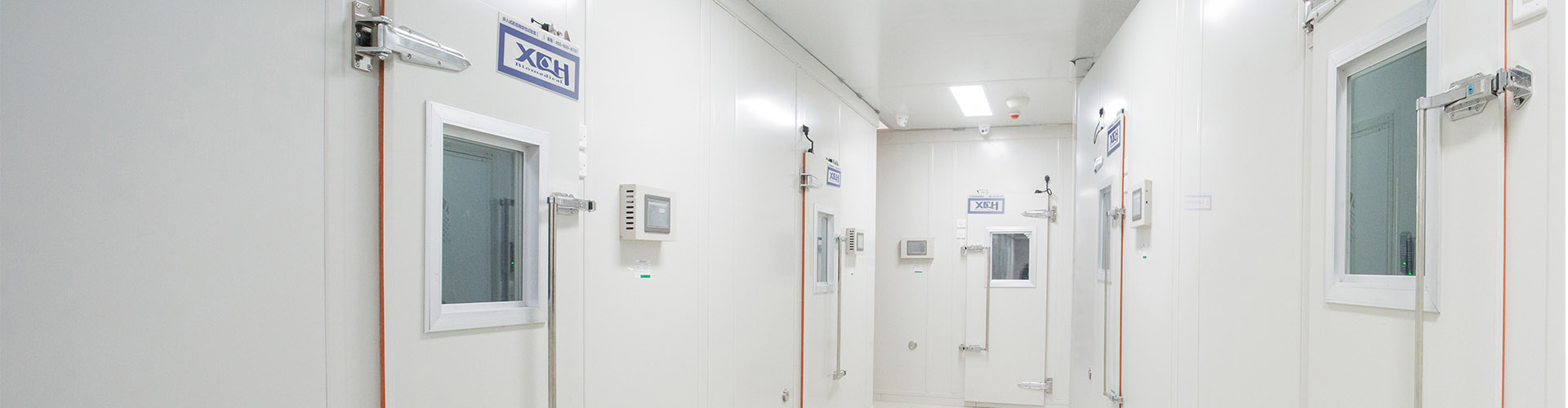
Stability Chamber Manufacturer

Blog

Home

Blog

  • What is a Stability Chamber and Why Your Lab Needs One
    Mar 27, 2026
    For regulated industries like pharmaceuticals, biotechnology, and materials science, consistent environmental conditions are not optional—they're mandatory. A stability chamber is a precision-engineered instrument designed to maintain specific temperature and humidity levels over extended periods, ensuring that products meet quality and safety standards. What Exactly is a Stability Chamber? A stability chamber (also called a stability test chamber or environmental chamber) is a sealed enclosure that controls temperature, humidity, and sometimes light exposure to simulate real-world storage conditions. These chambers are used for: Long-term stability testing of pharmaceutical products Accelerated aging studies for cosmetics and medical devices Material testing for electronics and industrial components Biological sample storage in research laboratories Unlike standard incubators, stability chambers are built to meet strict regulatory standards including ICH Q1A, FDA 21 CFR Part 11, and GMP requirements. Key Features of Modern Stability Chambers Precise Temperature Control — Typically ranges from -70°C to +200°C with ±0.5°C accuracy Humidity Range — 10% to 98% RH (Relative Humidity) Data Logging — Real-time recording with USB or network export Validation Documentation — IQ/OQ/PQ protocols for regulatory compliance Why Your Lab Needs a Stability Chamber 1. Regulatory Compliance If you manufacture or test pharmaceutical products, medical devices, or cosmetics, stability testing is required by law. Regulatory agencies (FDA, EMA, WHO) mandate documented proof that products remain stable throughout their shelf life. 2. Product Quality Assurance Instability can lead to product degradation, ineffective treatments, or even safety hazards. A stability chamber helps you identify problems before products reach patients or customers. 3. Cost Efficiency Early detection of instability prevents costly recalls and wasted batches. The investment in a stability chamber pays for itself through improved quality control. 4. Research Credibility For contract testing laboratories, having certified stability chambers expands your service offerings and attracts more clients in regulated industries. Types of Stability Chambers Type Best For Capacity Reach-in Chambers Small batches, pharmaceutical labs 100-2000 L Walk-in Chambers Large-scale testing, automotive/electronics 5-50 m³ Photo Stability Chambers Light-sensitive products Specialized Refrigerated Chambers Low-temperature storage -70°C to +60°C How to Choose the Right Chamber When selecting a stability chamber, consider: Temperature and humidity range required for your testing Chamber capacity based on sample volume Regulatory certifications (CE, UL, FDA compliance) Data management system compatibility After-sales support and calibration services Conclusion Whether you're a pharmaceutical manufacturer, a contract testing lab, or a research institution, a stability chamber is an essential investment for ensuring product quality and regulatory compliance. With increasing global emphasis on product safety, having certified stability testing capabilities is no longer optional—it's a competitive necessity. Recommended Reading: Walk-in Stability Chamber for Pharmaceutical Testing Photo Stability Chamber for Light-Sensitive Products  
    Read More
  • Large Walk-In Stability Chamber for Pharmaceutical Laboratories – Complete Selection Guide 2026
    Mar 27, 2026
    For pharmaceutical companies, contract research organizations (CROs), and large research facilities, large walk-in stability chambers are essential equipment for conducting long-term stability studies on drugs, biologics, and medical devices. These chambers provide the controlled environment necessary to meet stringent regulatory requirements while accommodating larger sample volumes than standard reach-in chambers.   This comprehensive guide helps you understand the key considerations for selecting the right pharmaceutical walk-in chamber for your laboratory facility.   About XCH Biomedical: XCH Biomedical is a professional manufacturer specializing in temperature and humidity control equipment for the pharmaceutical and biotechnology industries. With years of experience in GMP-compliant chamber manufacturing, they provide reliable walk-in solutions trusted by pharmaceutical companies and research institutions globally. 1. Understanding Walk-In Stability Chambers What Is a Walk-In Stability Chamber? A walk-in stability chamber is a room-sized environmental chamber that allows operators to walk inside for loading, unloading, and sample inspection. These chambers are designed to maintain precise temperature and humidity conditions over extended periods—typically 6 months to 5 years for long-term stability studies. Key characteristics: Internal volume: 10-50 m³ (8,000-40,000L) Temperature range: +15°C to +40°C (typical pharmaceutical range) Humidity range: 30-80% RH Temperature uniformity: ±2°C to ±3°C Humidity uniformity: ±5% RH Why Choose Walk-In Over Reach-In? Walk-in chambers offer significant advantages for high-volume pharmaceutical testing: Higher capacity – Test thousands of samples simultaneously Easy access – Walk in for sample placement and inspection Reduced handling – Fewer transfers mean less sample disturbance Cost efficiency – Lower cost per sample for large studies Workflow optimization – Dedicated space for ongoing studies 2. Key Applications in Pharmaceutical Testing 2.1 Long-Term Stability Studies ICH Q1A requires stability testing under controlled conditions: Real-time stability: 25°C ± 2°C / 60% RH ± 5% RH (30 months) Accelerated stability: 40°C ± 2°C / 75% RH ± 5% RH (6 months) Intermediate testing: 30°C ± 2°C / 65% RH ± 5% RH (12 months) 2.2 Stability-Indicating Studies Monitoring product degradation over time to establish shelf life and storage conditions. 2.3 cGMP Batch Release Testing Quality control testing required for batch release under current Good Manufacturing Practice. 2.4 Climate Zone Studies Testing products for markets in different climatic zones (I, II, III, IV). 3. Critical Specifications for Pharmaceutical Use 3.1 Temperature Performance Parameter Standard Requirement Premium Requirement Temperature range +15°C to +40°C +10°C to +50°C Temperature accuracy ±2°C ±1°C Temperature uniformity ±3°C ±2°C Recovery time 30 minutes 15 minutes 3.2 Humidity Performance Parameter Standard Requirement Premium Requirement Humidity range 30-70% RH 20-80% RH Humidity accuracy ±5% RH ±3% RH Humidity uniformity ±5% RH ±3% RH Critical: For ICH Q1A compliance, maintain 75% ± 5% RH during accelerated testing. 3.3 Chamber Construction Interior material: Stainless steel 304/316 for corrosion resistance Insulation: Polyurethane foam (high density, minimum 100mm thickness) Door seals: Double-seal gaskets to prevent moisture ingress Shelving: Adjustable stainless steel wire shelves with good air circulation Viewing window: Tempered glass for sample inspection without opening door 4. Regulatory Compliance Requirements 4.1 ICH Q1A/Q1B – Stability Testing International Council for Harmonisation guidelines for stability testing of new drug substances and products. 4.2 FDA 21 CFR Part 11 – Electronic Records Requirements for electronic records and electronic signatures in pharmaceutical operations. 4.3 WHO/GMP – Good Manufacturing Practice Global standards for pharmaceutical quality assurance and quality control. 4.4 ISO 17025 – Laboratory Accreditation Requirements for testing and calibration laboratories, including chamber calibration. 5. Walk-In vs Reach-In: Comparison Factor Walk-In Chamber Reach-In Chamber Capacity High (1,000+ samples) Low (50-200 samples) Temperature uniformity ±2-3°C ±1-2°C Cost per sample Low High Footprint Large (15-50 m²) Small (2-5 m²) Price $40,000-150,000 $5,000-25,000 Best for Long-term studies, large batches Short studies, R&D 6. Essential Features to Consider 6.1 Data Logging and Control Continuous monitoring with redundant sensors USB and Ethernet data export Alarm systems for temperature/humidity excursions Audit trail functionality for FDA 21 CFR Part 11 compliance Remote monitoring via cloud or SMS alerts 6.2 Redundancy Systems Backup compressor for continuous operation Emergency power connection Secondary humidity system Independent monitoring systems 6.3 Validation and Calibration IQ (Installation Qualification) documentation OQ (Operation Qualification) protocols PQ (Performance Qualification) reports ISO 17025 calibration certificates 7. Size Selection Guide Choose the right size based on your sample volume: Internal Volume Sample Capacity Footprint Price Range 8,000L (10 m³) 1,000-2,000 samples 15 m² $40,000-60,000 20,000L (20 m³) 2,000-4,000 samples 25 m² $60,000-90,000 30,000L (30 m³) 4,000-6,000 samples 35 m² $90,000-120,000 40,000L (50 m³) 6,000-10,000 samples 50 m² $120,000-150,000 Pro Tip: Plan for 30% growth. Select a chamber 30% larger than your current needs. 8. Cost of Ownership Cost Factor Annual Cost Purchase price $40,000-150,000 (one-time) Electricity $3,000-8,000 Maintenance contract $2,000-5,000 Calibration (quarterly) $1,000-2,000 Filter replacement $500-1,000 5-Year TCO $60,000-180,000 9. Selection Checklist Capacity – Enough space for current and projected sample volume? Temperature/humidity accuracy – Meets ICH Q1A requirements? Uniformity – ±2°C or better for your precision needs? Redundancy – Backup systems for continuous operation? Data logging – 21 CFR Part 11 compliant? Calibration – ISO 17025 traceable certificates included? IQ/OQ/PQ – Validation documentation provided? Support – Local service technician availability? Warranty – Minimum 2 years, extended options available? Footprint – Fits your facility space and infrastructure? 10. Recommended Brands Brand Price Range Specialty XCH Biomedical $40,000-100,000 Cost-effective, GMP compliant Thermo Fisher $60,000-150,000 Premium, full validation support Binder $70,000-140,000 German precision engineering Memmert $60,000-130,000 European standards Conclusion Selecting the right walk-in stability chamber for your pharmaceutical laboratory is a significant investment that impacts product quality, regulatory compliance, and operational efficiency. Focus on: Regulatory compliance – ICH Q1A, FDA 21 CFR Part 11, WHO/GMP Temperature and humidity precision – Uniformity and accuracy for your specific studies Capacity planning – Current needs plus 30% growth buffer Total cost of ownership – Beyond purchase price, consider ongoing operational costs Validation support – IQ/OQ/PQ documentation for regulatory submissions By following this guide and using the selection checklist, you'll be equipped to choose a pharmaceutical walk-in chamber that meets your laboratory's needs for years to come. Need help selecting? Contact XCH Biomedical's technical team for personalized recommendations based on your specific stability testing requirements.
    Read More
  • Battery Test Chamber – Complete Guide for EV and Energy Storage Testing 2026
    Mar 27, 2026
    As the battery test chamber market continues to grow rapidly, selecting the right testing equipment has become critical for manufacturers in the electric vehicle (EV), energy storage, and consumer electronics industries. With batteries becoming more sophisticated and regulatory requirements tightening, choosing the wrong chamber can lead to costly delays, safety incidents, or failed certifications. This comprehensive guide walks you through everything you need to know about battery test chambers, from basic concepts to advanced selection criteria, helping you make an informed investment for your testing facility. 1. Understanding Battery Test Chambers What Is a Battery Test Chamber? A battery test chamber is a specialized environmental chamber designed to simulate extreme temperature, humidity, and pressure conditions for testing batteries throughout their lifecycle. These chambers ensure battery safety, performance, and durability under real-world conditions. About XCH Biomedical: As a professional manufacturer specializing in temperature and humidity control equipment, XCH Biomedical has been serving the global battery testing industry with cost-effective, reliable chamber solutions. Their expertise in environmental simulation technology makes them a trusted partner for laboratories and manufacturers worldwide. Unlike standard environmental chambers, battery test chambers must handle unique challenges: Thermal runaway risk – Batteries can overheat and catch fire during abuse testing Gas emissions – Venting during failure scenarios requires explosion-proof design High power loads – Some tests require cycling batteries at high current Safety certifications – Must comply with UN 38.3, IEC 62660, and other standards Why Battery Testing Matters? The consequences of battery failure can be severe: Safety incidents – Thermal runaway can cause fires or explosions Regulatory failures – Products cannot be shipped without proper certification Costly recalls – EV battery recalls can cost billions of dollars Brand damage – Safety failures destroy consumer trust 2. Key Applications for Battery Testing 2.1 Electric Vehicle (EV) Batteries EV batteries undergo rigorous testing to ensure safety and performance: Thermal cycling – Rapid temperature changes from -40°C to +85°C Humidity resistance – 85% RH at 85°C (85/85 testing) Cycle life testing – Thousands of charge/discharge cycles Mechanical abuse – Crush, penetration, and vibration tests 2.2 Energy Storage Systems (ESS) Grid-scale battery storage requires different test protocols: Long-duration cycling – 4-8 hour discharge tests Calendar aging – Testing at fixed states of charge over months Grid simulation – Real-world duty cycle replication 2.3 Consumer Electronics Batteries Lithium-ion batteries in phones, laptops, and tablets: Quick cycle testing – Fast charge/discharge for model validation Form factor testing – Testing new cell sizes and shapes Safety validation – UN 38.3 compliance for shipping 3. Critical Technical Specifications 3.1 Temperature Range Different battery applications require different temperature ranges: Battery TypeTemperature RangeTypical Tests Li-ion (consumer)-20°C to +85°CUN 38.3, IEC 62133 EV batteries-40°C to +85°CISO 6469, UN 100 ESS (grid storage)-30°C to +60°CIEC 62619 Extreme environment-70°C to +150°CMilitary/aerospace Pro Tip: Choose a chamber with a temperature range at least 20% wider than your maximum requirements to account for exothermic reactions during testing. 3.2 Temperature Uniformity Temperature uniformity is critical for accurate battery testing: Standard: ±2°C uniformity for basic testing Precision: ±1°C uniformity for performance testing Research: ±0.5°C uniformity for degradation studies 3.3 Safety Features Battery testing involves inherent risks. Your chamber must include: FeaturePurpose Explosion-proof designContains thermal runaway events Gas venting systemRemoves flammable gases safely Fire suppressionAutomatic extinguishing system Pressure relief valvesPrevents chamber damage Smoke detectorsEarly warning system 4. Industry Standards and Certifications 4.1 UN 38.3 – Transportation Testing UN 38.3 is mandatory for shipping lithium batteries worldwide. Tests include: T1: Altitude simulation T2: Thermal test T3: Vibration T4: Shock T5: External short circuit T6: Impact T7: Overcharge T8: Forced discharge 4.2 IEC 62660 – Secondary Lithium-Ion Cells International standard for performance and safety testing of Li-ion cells for EV applications. 4.3 ISO 6469 – Electric Vehicle Safety Covers safety requirements for electric vehicles including battery protection. 4.4 UL 2054 / UL 1973 – Battery Safety US standards for household and commercial battery safety. 5. Chamber Types and Selection 5.1 Standard Environmental Chamber Best for: Routine testing, UN 38.3 compliance Temperature range: -40°C to +85°C Humidity control: 20-98% RH Typical price: $8,000 - $25,000 5.2 Thermal Shock Chamber Best for: Rapid temperature cycling, stress testing Two-zone or three-zone design Transition time: seconds Typical price: $25,000 - $60,000 5.3 Walk-In Chamber Best for: Large battery packs, complete vehicle testing Internal volume: 10-50 m³ Can accommodate entire battery systems Typical price: $40,000 - $150,000 5.4 Explosion-Proof Chamber Best for: Abuse testing, thermal runaway studies Reinforced construction Advanced gas management Typical price: $30,000 - $100,000 6. Selection Checklist Before purchasing, verify these critical requirements: Temperature range – Does it meet your specific battery chemistry requirements? Safety certifications – Explosion-proof rating for abuse testing? Uniformity specification – ±1°C or ±2°C for your test precision? Humidity capability – 85/85 testing required? Sample size – Can it fit your largest battery pack? Data logging – USB, Ethernet, or cloud connectivity? Compliance – UN 38.3, IEC 62660, or other standards? Warranty – Minimum 2 years with extended service options Support – Local technician availability for emergency repairs Future needs – Room for expansion or upgrades? 7. Cost Analysis Chamber TypePrice RangeBest For Benchtop$5,000-12,000Cell testing Standard floor model$8,000-25,000Module testing Thermal shock$25,000-60,000Stress testing Walk-in$40,000-150,000Pack/system testing Explosion-proof$30,000-100,000Abuse testing 8. Recommended Brands BrandPrice RangeSpecialty XCH Biomedical$8,000-40,000Cost-effective, global support Thermotron$15,000-80,000Industrial grade CSZ$20,000-90,000Thermal shock expertise Binder$25,000-100,000Precision testing Conclusion Selecting the right battery test chamber is a critical decision that impacts product safety, time-to-market, and overall testing costs. Focus on: Safety features – Explosion-proof design for abuse testing Temperature range – Match your specific battery chemistry Standards compliance – UN 38.3, IEC 62660, or your target market requirements Future scalability – Room for growth and expanded testing needs By following this guide and using the checklist, you'll be equipped to select a battery test chamber that delivers reliable results for years to come. Need help selecting? Contact XCH Biomedical's technical team for personalized recommendations based on your specific battery testing requirements.
    Read More
  • Laboratory incubator: key equipment for scientific research
    Nov 22, 2024
    Laboratory incubator is an important equipment widely used in biology, medicine, agriculture and environmental science. It provides a controllable environment for the cultivation of microorganisms, cells, plant tissues, etc., and can accurately adjust temperature, humidity, gas concentration and other conditions to meet the needs of different experiments.   1. Basic functions of incubator The core function of the incubator is to provide a stable growth environment for the experimental objects. The following are the main functional characteristics of the incubator:   Temperature control Temperature is an important factor affecting the growth and metabolism of organisms. Incubators are usually equipped with high-precision temperature control systems that can maintain the temperature within a set range (such as 5℃ to 60℃) to meet the needs of different experiments. For example, bacterial culture usually requires 37℃, while plant tissue culture may require lower or higher temperatures.   Humidity regulation Some incubator in medical laboratory are equipped with humidity control functions, which are particularly important in plant culture or experiments requiring a high humidity environment. Humidity regulation can prevent samples from drying out or excessive water loss.   Gas concentration regulation For cell culture or anaerobic microbial research, incubators can adjust the concentration of gases such as oxygen and carbon dioxide. For example, a CO2 incubator can maintain a CO₂ concentration of 5%, providing an ideal environment for cell culture.   2. Types of incubators According to different experimental requirements, incubators can be divided into the following types:   Biochemical incubator This is the most common type of incubator, mainly used for microbial culture, sample preservation, etc. It can provide a stable temperature environment, but usually does not have humidity or gas regulation functions.   Carbon dioxide incubator This incubator is widely used in the field of cell culture and can accurately control CO₂ concentration and humidity to provide ideal conditions for cell growth.   Illumination incubator Illumination incubator is suitable for plant tissue culture, seed germination experiments, etc. In addition to temperature and humidity control, it is also equipped with an adjustable lighting system to simulate natural light environment.   Anaerobic incubator Anaerobic incubator is used to study anaerobic microorganisms and can be cultured in an oxygen-free environment.   3. Application fields of incubators Laboratory incubators play an important role in many fields:   Microbiology Incubators are the core equipment for microbial culture, used to study the growth characteristics, metabolites, etc. of microorganisms such as bacteria and fungi.   Cell Biology In cell culture, CO2 incubators provide cells with conditions close to the in vivo environment and are widely used in drug screening, genetic research and other fields.   Agricultural Science Light incubators are used for plant tissue culture, seed germination experiments and simulation studies of plant growth conditions.   Medical Research Incubators play an important role in vaccine development, pathogen research and other aspects.   IV. Precautions for using incubators In order to ensure the accuracy of experimental results and the service life of the equipment, the following points should be noted when using incubators:   Regular calibration The temperature, humidity and gas concentration of the incubator need to be calibrated regularly to ensure their accuracy.   Cleaning and disinfection The interior of the incubator needs to be cleaned and disinfected regularly to prevent contamination from affecting the experimental results.   Reasonable placement of samples The appropriate spacing should be maintained between samples to ensure uniform airflow and temperature distribution in the incubator.   Avoid frequent opening and closing of the door Frequent opening and closing of the incubator door will cause fluctuations in the internal environment and affect the experimental results.   V. Future development trends With the advancement of science and technology, laboratory incubators are moving towards intelligence and multifunctionality. For example, the application of Internet of Things technology enables incubators to achieve more efficient experimental management through remote monitoring and control. In addition, energy-saving and environmentally friendly incubators are gradually gaining attention, which can provide a stable experimental environment while reducing energy consumption.   As an indispensable equipment in scientific research, incubator lab equipment provide important support for research in biology, medicine, agriculture and other fields. With the continuous advancement of technology, the functions of incubators will be more complete, bringing more possibilities for scientific exploration.
    Read More
  • Biological incubator: key equipment for scientific research and experiments
    Oct 12, 2024
      The biological incubator is one of the core equipment for life science research and laboratory work. It provides a controlled environment for the growth of cells, tissues and microorganisms, ensuring the accuracy and repeatability of experiments. This article will explore the functions, application areas and factors to consider when choosing a biological incubator.   Functions of biological incubators Temperature control: The biological incubator can accurately control the temperature to meet the growth needs of different biological samples. Generally, the temperature range can range from below room temperature to above body temperature to adapt to various experimental conditions.   Humidity regulation: Many biological incubators are equipped with humidity control systems to maintain the required humidity level of the sample and prevent the sample from drying or over-wetting.   Gas environment: Some advanced Laboratory Incubator Manufacturer can adjust the concentration of oxygen and carbon dioxide to simulate specific physiological environments, which are particularly suitable for cell culture and tissue engineering.   Light control: For biological samples that require light, such as plant tissue culture, biological incubators can provide controlled light conditions.   Application areas Cell and tissue culture: incubator lab equipment are widely used in cell biology and medical research to support the growth of cell lines and drug testing.   Microbial culture: In microbiology, incubators are used for the cultivation and study of bacteria, fungi, and viruses.   Plant research: Plant scientists use Constant Temperature Incubator for plant tissue culture and genetic research.   Food and drug testing: In the food and pharmaceutical industries, incubators are used for stability testing and quality control.   Considerations when choosing a biological incubator Capacity and size: Choose the appropriate incubator capacity based on the laboratory space and number of samples.   Temperature and humidity range: Make sure the incubator can provide the required temperature and humidity range to meet specific experimental requirements.   Control accuracy: High-precision temperature and humidity control systems can improve the reliability of experimental results.   Additional functions: Choose an incubator with additional functions such as gas control and light regulation according to experimental needs.   Brand and after-sales service: Choose a reputable brand and a supplier with high-quality after-sales service to ensure the long-term stable operation of the equipment.   Biological incubators are indispensable equipment in life science research, providing an ideal environment for the growth and study of various biological samples. By choosing the right incubator, researchers can improve the efficiency and accuracy of experiments and promote the advancement of scientific research. Whether in basic research or application development, biological incubators play an important role.
    Read More
  • Stability Testing in the Bioscience Industry
    Sep 29, 2024
      In the bioscience industry, stability testing is an important step in ensuring product safety and effectiveness. Whether it is a drug, vaccine, biologic, or other bioscience product, stability testing plays a vital role in the product development and regulatory approval process.   What is constant temperature chamber?   Stability testing is the process of evaluating the physical, chemical, biological, and microbiological properties of a product under specific conditions during storage and use. Through these tests, the shelf life, storage conditions, and performance of the product in different environments can be determined.   Importance of stability testing Ensure product safety: Stability testing helps identify possible degradation or changes in the product during storage and use, thereby ensuring the safety of the product throughout its life cycle.   Verify product effectiveness: Testing can confirm that the product maintains its intended potency and performance during its shelf life, ensuring that consumers receive the expected therapeutic effect.   Meet regulatory requirements: Drug and biologics regulatory agencies in various countries, such as the U.S. Food and Drug Administration (FDA) and the European Medicines Agency (EMA), require stability testing for product approval.   Optimize storage and transportation conditions: Test results can help determine the best storage and transportation conditions to maximize the shelf life and stability of the product.   Types of stability testing Accelerated stability testing: Testing under accelerated conditions such as high temperature and high humidity to quickly predict the long-term stability of the product.   Long-term stability testing: Testing under recommended storage conditions to evaluate the stability of the product throughout its shelf life.   Intermediate humidity stability chamber: Testing under conditions between accelerated and long-term conditions to provide additional data support.   Challenges of stability testing Complex product characteristics: Bioscience products often have complex molecular structures and active ingredients, which makes stability testing more complex and challenging.   Strict regulatory standards: Regulatory agencies in various countries have different requirements for stability testing, requiring companies to be flexible and adaptable.   Technology and equipment requirements: Stability testing requires advanced technology and equipment, as well as professional technicians.   Stability chambers is an integral part of the bioscience industry, which not only ensures the safety and effectiveness of the product, but also provides a solid foundation for product development and marketing. With the advancement of technology and the continuous improvement of regulatory requirements, stability testing will continue to play a key role in the bioscience industry and promote innovation and development in the industry.
    Read More
  • Application of Stability Test Chamber in Pharmaceutical Industry
    Sep 20, 2024
      In the pharmaceutical industry, the safety and effectiveness of drugs are of vital importance. In order to ensure that drugs maintain their quality throughout their shelf life, stability test chambers are widely used in the research and development and production of drugs. This article will explore the application of stability test chambers in the pharmaceutical industry and their importance.   1. Necessity of drug stability testing During storage and transportation, drugs may be affected by environmental factors such as temperature, humidity and light. These factors may cause chemical degradation, physical changes or microbial contamination of drugs, thereby affecting their safety and effectiveness. Therefore, conducting stability tests is a key step to ensure the quality of drugs.   2. Functions of stability chambers Temperature control: Accurately adjust and maintain the temperature conditions required for drug storage, simulating different climatic environments. Humidity regulation: Provide a controlled humidity environment to evaluate the stability of drugs under different humidity conditions. Light simulation: Test the stability of drugs under light conditions, especially light-sensitive drugs. 3. Application scenarios New drug research and development: During the new drug development stage, the stability test chamber is used to evaluate the stability of drugs and help determine the best formulation and packaging. Production quality control: During the drug production process, stability chambers are used to monitor product quality and ensure that each batch of drugs meets quality standards. Regulatory compliance: Pharmaceutical companies need to perform stability testing to meet the requirements of international and national drug regulatory agencies, such as FDA and EMA regulations. 4. The importance of stability chambers Ensure drug safety: By simulating real storage conditions, stability chambers help identify potential stability issues of drugs and ensure the safety of drugs throughout their shelf life. Extend the shelf life of drugs: Through stability testing, pharmaceutical companies can optimize the formulation and packaging of drugs to extend their shelf life. Support market access: The data provided by stability chambers supports the registration and market access of drugs, helping pharmaceutical companies meet regulatory requirements. 5. Choose the right constant temperature and humidity chamber When choosing a stability chamber, pharmaceutical companies should consider their testing needs, the accuracy and reliability of the equipment, and compliance with GMP (Good Manufacturing Practice) requirements. Choosing the right equipment can improve testing efficiency and ensure drug quality.   Walk in stability chamber play a key role in the pharmaceutical industry, ensuring the safety and effectiveness of drugs. As technology continues to advance, these devices will continue to provide strong support for drug research and development and production, and promote the development of the pharmaceutical industry.
    Read More
  • Test chambers and incubators: core equipment for scientific research and industrial applications
    Sep 14, 2024
      In scientific research and industrial production, test chambers and thermal incubator are indispensable equipment. They provide precise environmental control for various experiments and production processes, ensuring the reliability of experimental results and the stability of product quality.   Functions and applications of test chambers The test chamber is a device used to simulate specific environmental conditions and is widely used in fields such as material testing, product development, and quality control. Its main functions include:   Temperature control: The test chamber can accurately control the temperature and simulate environmental conditions from extremely cold to extremely hot. Humidity regulation: By adjusting the humidity, the test chamber can simulate different climatic conditions and test the performance of materials and products under different humidity. Pressure and vibration testing: Some test chambers also have pressure and vibration testing functions to evaluate the durability of products under extreme conditions. Application areas:   Electronic product testing: used to test the performance of electronic components under different temperature and humidity conditions. Material science research: evaluate the physical and chemical properties of materials under extreme environments. Automotive industry: simulate the performance of vehicles under different climatic conditions. Functions and Applications of Laboratory Incubator Manufacturer Incubators are mainly used in biological and chemical experiments to provide an ideal growth environment for microorganisms, cells, and tissue cultures. Its core functions include:   Constant temperature: Incubators are able to maintain a constant temperature, usually within the optimal range for the growth of organisms.   Humidity and CO2 control: Some incubator laboratory equipment also have humidity and carbon dioxide concentration control functions to meet the needs of specific biological cultures.   Application areas:   Microbial culture: used for the cultivation and research of bacteria, fungi and other microorganisms.   Cell biology: supports the growth and experimentation of cells and tissues.   Drug development: used for experimental research on cells and microorganisms during drug development.   Test chambers and incubators play a key role in scientific research and industrial applications. The precise environmental control they provide not only improves the reliability of experiments, but also promotes technological innovation and product development. With the advancement of science and technology, these devices will continue to play an important role in more fields, providing support for scientific exploration and industrial progress.
    Read More
  • Stability test chamber: exploring environmental simulation technology
    Sep 05, 2024
      In today's rapidly developing science and technology, product quality and reliability have become key factors for the success of enterprises. As an advanced environmental simulation equipment, the stability test chamber is promoting quality control and innovation in various industries. This article will explore the latest technical trends, application innovations and important role of stability test chambers in research and development.   Technical trends of stability chambers in pharmaceutical Intelligent control: Modern stability test chambers are equipped with intelligent control systems that can monitor and adjust environmental parameters in real time through sensors to improve the accuracy and efficiency of tests.   Energy-saving design: With the increase of environmental awareness, many stability test chambers have adopted energy-saving designs to reduce energy consumption while ensuring the efficient operation of equipment.   Remote monitoring: Through Internet connection, users can remotely monitor and control the operating status of the test chamber for more flexible management.   Application innovation New material research and development: In the process of new material research and development, stability test chambers are used to test the performance of materials in extreme environments and promote the advancement of materials science.   Biotechnology: In the field of biotechnology, stability test chamber are used to simulate the changes of biological samples under different environmental conditions to provide reliable data support for biological research.   Aerospace: Used to test the performance of spacecraft and aviation equipment under extreme temperature and pressure conditions to ensure their reliability in space and high-altitude environments.   Important role in R&D Stability test chambers are not only used for quality control, but also play an important role in product development. By simulating different environmental conditions, R&D personnel can quickly verify the feasibility of design solutions and accelerate the product development cycle. In addition, the data support provided by the stability chamber manufacturer helps to optimize product design and improve innovation capabilities.   As a cutting-edge equipment for environmental simulation technology, the stability test chamber is constantly promoting innovation and development in various industries. With the advancement of technology, the functions and application scope of the test chamber will be further expanded, providing stronger support for enterprises. In the future, the stability test chamber will continue to play an irreplaceable role in quality control and product development.
    Read More
  • Stability test chamber: ensuring product quality
    Aug 29, 2024
      In modern industry and scientific research, product quality and reliability are crucial. Whether it is pharmaceuticals, food, cosmetics or electronic products, the stability test chamber, as an important testing equipment, plays an indispensable role. This article will explore in depth the functions, applications and importance of stability test chambers in product development.   What is a stability test chamber? A stability chamber manufacturer is a device used to simulate and test the performance and stability of products under different environmental conditions. It is able to provide precise environmental conditions such as temperature, humidity and light to evaluate changes in products during long-term storage or use. This equipment is commonly used in industries such as pharmaceuticals, cosmetics, and food to ensure that products maintain their effectiveness and safety within the specified shelf life.   Main functions of stability test chamber Environmental control: The stability test chamber can accurately control temperature and humidity to simulate different storage and transportation conditions. This is essential for evaluating the stability of products in extreme environments.   Long-term testing: By conducting long-term testing in a test chamber, companies can predict the shelf life of products and ensure their quality throughout their life cycle.   Data recording and analysis: Modern walk in stability chamber are usually equipped with data recording functions that can monitor and record environmental parameters in real time. This data is critical for subsequent analysis and reporting.   Compliance with standards: Many industries have strict regulations and standards that require stability testing. Stability test chambers can help companies meet these requirements and ensure product compliance.   Application areas of stability test chambers Pharmaceutical industry: The effectiveness and safety of drugs are directly related to the health of patients. Stability test chambers are used to test the stability of drugs under different conditions to ensure that they maintain their efficacy during the shelf life.   Food industry: The shelf life and safety of food are the focus of consumer attention. Through stability testing, food manufacturers can ensure the quality of their products during storage and transportation.   Cosmetic industry: The ingredients of cosmetics may change under different environmental conditions. Stability test chambers help manufacturers evaluate the stability of products to ensure their safety and effectiveness during use.   Electronic products: The performance of electronic products under different temperatures and humidity may be affected. Temperature and humidity test chamber can be used to test the reliability of electronic components and devices.
    Read More
  • Incubator: Core equipment for scientific research and innovation
    Aug 23, 2024
      In the fields of life sciences, medical research and biotechnology, incubators, as basic laboratory equipment, are essential for the growth and research of cells, tissues and microorganisms. It provides a guarantee for creating a precise and controllable biological environment, and thus plays an irreplaceable role in promoting scientific breakthroughs and discoveries.   What is an incubator?   An biochemical incubator is a closed device that can monitor and adjust the internal temperature, humidity and gas composition to meet the specific requirements of different experiments. According to the purpose and design, incubators can be divided into cell incubators, carbon dioxide incubators, constant temperature and humidity incubators, etc., each type has its specific application scenarios and technical characteristics.   Core functions of incubators Temperature control:   Many biological processes are extremely sensitive to temperature. The incubator provides the most suitable growth environment for cells and microorganisms by precisely controlling the internal temperature, ensuring the accuracy and reproducibility of experimental data. Humidity regulation:   For experiments that require specific humidity conditions (such as tissue culture), the incubator can maintain the optimal humidity level to prevent the sample from drying or overhydration and maintain the normal physiological state of the sample. Gas environment control:   Special types of incubators, such as incubator laboratory equipment, can maintain specific CO2 and O2 concentrations. This environment is very important for animal cell culture and microbial fermentation. Application areas of incubators Cell and tissue culture:   Incubators are widely used in cancer research, regenerative medicine and vaccine development, supporting the in vitro growth and experimental manipulation of cells and tissues. Microbial research:   In microbiology, Constant Temperature Incubator are used to culture and study bacteria, fungi and viruses, helping scientists explore the characteristics of pathogens and the screening of antimicrobial drugs. Biotechnology production:   Large-scale production of biological products (such as enzymes, antibodies and other biomolecules) requires specific growth conditions, and incubators standardize and reproduce these conditions. Challenges and innovation directions Although incubators play an important role in experiments and production, there is still room for improvement. Future research and development directions include improving energy efficiency, integrating intelligent control systems, reducing contamination risks, and using more environmentally friendly materials. In addition, networked incubators based on the Internet of Things are also becoming a trend, which will greatly improve the operating efficiency and data management level of laboratories.   The incubator is not only an essential tool for life science laboratories, but also a catalyst for scientific research. It promotes a wide range of biological and medical research by providing a stable and controllable experimental environment. With the continuous innovation of technology, the incubator will play a greater role in promoting scientific progress and provide reliable support for us to reveal the mysteries of life. From the breathing of cells to the birth of new drugs, the incubator is indeed one of the windows for scientists to peek into the essence of nature.
    Read More
  • Learn more about walk-in stability chambers: ideal for efficient environmental testing
    Aug 16, 2024
      Product stability is critical in pharmaceutical, cosmetic, food and other industries that require strict quality control. Walk-in stability chambers provide these industries with an efficient solution to allow products to undergo long-term stability testing under defined environmental conditions. This article will take you to a deeper understanding of the functions, advantages and applications of walk-in stability chambers in different fields.   What is a walk-in stability chamber? A walk-in stability chamber is a large environmental testing device designed to simulate various climate conditions, allowing technicians to "walk" into the device to operate or place a large number of samples. These chambers can accurately control environmental parameters such as temperature, humidity and light, making them an ideal tool for product stability testing, aging testing and long-term reliability evaluation.   Key features of walk in stability chamber Precise environmental control:   The chambers can simulate different temperature and humidity conditions, from extreme cold to high temperatures, ensuring that product stability can be evaluated in various environments. Large capacity design:   They provide ample internal space to accommodate a large number of samples for testing at the same time, thereby improving testing efficiency. Flexible configuration:   Customize the internal layout and environmental parameters according to user needs to achieve more accurate testing and management. Data recording and monitoring:   Equipped with advanced control systems, real-time monitoring and recording of environmental conditions changes ensures data accuracy and traceability. Durability and reliability:   Using high-quality materials and advanced manufacturing processes to ensure the reliability of the equipment under long-term continuous operation. Application areas Pharmaceutical industry: used for long-term stability testing of drugs to ensure the effectiveness and safety of drugs throughout the shelf life. Cosmetics and personal care products: verify the durability and effectiveness of products under controlled climate conditions. Food industry: study the shelf life of food and determine its optimal storage conditions. Electronic and material testing: evaluate the performance and durability of products under extreme conditions. Advantages Improve R&D efficiency: Walk-in stability test chambers can test multiple batches of samples at the same time to speed up the R&D process. Save costs and resources: reduce product losses and returns through long-term stability testing. Ensure product compliance: meet international testing standards and specifications, such as ICH guidelines, to ensure product compliance in the global market.   Future development trends With the continuous advancement of technology, the development of walk-in chamber will become more intelligent. Combined with the Internet of Things (IoT) and big data analysis, future test chambers will be able to achieve remote monitoring and management, automated data reporting and intelligent decision support, providing users with more efficient and accurate solutions.   Stability chamber manufacturer play a vital role in product quality assurance and R&D. Their efficient and precise environmental control capabilities provide a solid foundation for scientific research and industrial production. Through continuous optimization of design and application of new technologies, these devices will continue to promote technological progress in various industries and provide strong support for improving product quality and reliability. No matter which industry you are in, the powerful functions of walk-in stability test chambers can help you meet the growing needs of product testing.
    Read More
1 2 3 4 5 6 7 8 9 10 11 12 13
A total of13pages

leave a message

leave a message
If you are interested in our products and want to know more details,please leave a message here,we will reply you as soon as we can.
Submit

Home

Products

whatsApp

contact